From the ExperiencedDevs subreddit, this poster was asking about individuals on a team who are above and beyond when it comes to throughput.
Is this a problem for the other software developers? How does this affect morale?
📄 Auto-Generated Transcript ▾
Transcript is auto-generated and may contain errors.
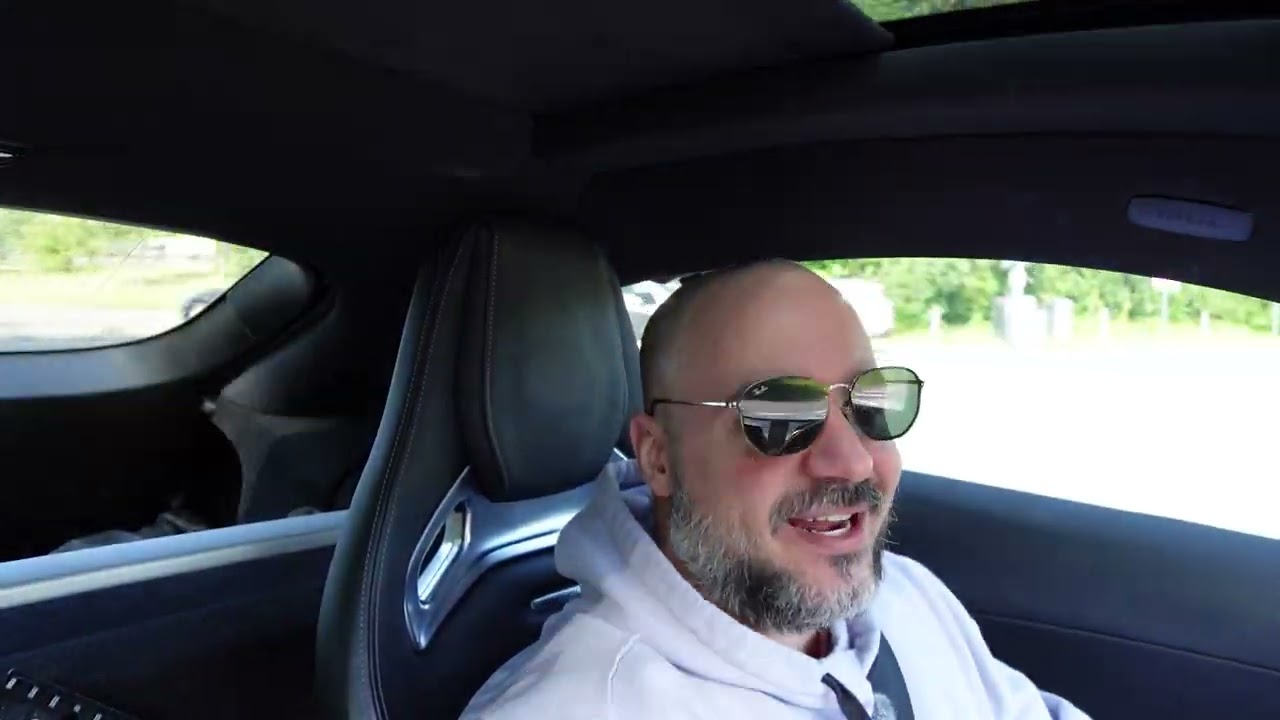
What is up, folks? It's Monday. Um, headed to work here. Um, going to go to Reddit for a topic. Let's get that there. Get that tucked in. Guess I need sunglasses. Actually, it's sunny in Seattle these days for now. Oh, cool. Where's the volume? Why is that happening? Apparently, there's music. Um, okay. Let's get going. The topic is from Reddit. Um, this is from experience devs posters essentially talking about how there is someone on their team that uh just seems to be like cranking out code changes like crazy. And the way that they've described this is that it's not like just trash code or something like I think a lot of the typical response these days now is like oh so just some junior that's uh using an LLM and you know blasting code into PRs. Uh, which by the way is a I don't think that's a great generalization, but this person's basically saying no, like they're actually like the they're actually delivering like good things or like not just boilerplate code.
It's like they're actually delivering a lot. And so what's happening is that there's a bit of a comparison going on now where uh this person's saying, "Okay, like I'm kind of operating at my level thinking I'm doing pretty good and here's this newer person that's just like seemingly at all times of the day just absolutely a machine with delivering stuff." And now this person's noticing like well management and people in leadership are kind of like praising this person for doing this kind of stuff and um they're starting to have concerns like they're like hey should I like talk to my my management like to not be promoting this kind of behavior. So then there's a bunch of comments in the thread too talking about different perspectives on this. So, I figured I'd chime in, give some thoughts, try to look at it from some different angles.
And before I do that, friendly reminder, if you're new to the channel, leave your questions about software engineering and career development below in the comments. Happy to try and answer. Otherwise, if you're not comfortable doing that and still want stuff answered, you can message Dev Leader on social media. I'll keep you anonymous that way. And uh that's also my main YouTube channel where I have uh C tutorials. There is a uh podcast with other software engineers. There is a free resume review series. So, if you go check that out and you want your resume reviewed, you can send it in. It explains how. Uh I just, you know, it's free. I just ask if you find my content helpful, please share it because that's really what helps me grow the channel. Relying on the algorithm to get it in front of people kind of sucks because I don't do, especially on this channel, I don't do like thumbnails and stuff like that.
So, I just have to hope people are stumbling upon my stuff. So, with that said, um what do I think about this kind of situation? I think there's a handful of different things I want to talk about. It says I got about 40 minutes to get to work. We'll see. Um and the things that I want to talk about I feel like are all they're all related to this topic obviously, but many different angles. So, just to kind of list out some highle things. One is like uh sort of individualism like people might be able to do this kind of stuff in a sustainable way and like that's okay for them and other people absolutely not which is again that's totally fine for them. So I want to be able to talk about that.
I want to be able to talk about perpetuating um sort of like unhealthy work cultures and and sort of like how do we balance that when we have that first topic and then I'll try to share some of my own experiences because I probably fit into this a little bit from my time prior to Microsoft. So I'll I'll explain like how how for me things have changed over time and like what that looked like previously versus now. So to to kick things off, I think maybe let's talk about um the individual kind of aspect to this, right? So um I I think that obviously in roles in companies there I shouldn't say obviously but there should be some expectation about what's expected at a particular level in a particular role. Right?
So you know that if you're at a given level uh based on feedback from your manager and what's laid out in front of you that you're operating at an expected level uh andor on track to be uh working towards the next level, right? I say this I realize that probably some people heard that and they're like, "Well, yeah, right." Like that's not realistic. Like not where I work. I get it. Um, but I think I think we can agree that should be the case that you should be able to know that you're operating effectively. Um, whether or not that's truly what's happening where you're working, I don't know. But I think that's something that I kind of want to uh get out of the way. And beyond that, there's going to be people that, you know, that are very interested in the particular type of work that's going on.
Uh there's going to be people you're going to have people that could do a good job but view their job as just it's a nineto-ive. It's a paycheck and like that's cool. You're going to have people that love the work they're doing like crazy but they actually have other commitments outside of work too. So they actually want to be working more and can't. Um there's there's a you know this could look a million different ways. And my point with this is that every individual is going to be different. But when it comes to the actual, you know, role, the expectations and things like that, these should be um sort of standardized and agreed upon within the organization. Be lovely if this was like, you know, universally agreed upon across companies, but it's not quite. Um but those those expectations should be clear. So expectations of the role should be clear.
And then you have basically individuals that have their own interests. They have their own um strengths and weaknesses. They have their own like schedules and their own lives, right? So this person who's writing this Reddit post, um you know, like I I don't know them, whatever, but they might have um personal obligations outside of work, right? They might have a family like a wife and kids. I don't know actually if they're man, female or male, female, whatever. So like a husband, wife, whatever. Um they might have things going on outside of work that absolutely require their time and if it's something like their family, then 100% makes sense that they're spending time doing that. So, if they start comparing themselves to another person that just does not have the same type of thing going on outside of work, it's it's going to seem very like unfair.
Um, and the first part of this conversation I want to talk about that comparison that people are doing themselves, right? So if you are the person who has other obligations or uh even you're like I just don't want to work an extra 4 hours or whatever uh like if you're doing the comparison like that that's kind of I want to say like that's on you in the next part when I talk about you know managers um praising this kind of thing we'll reflect on it the other way but uh I've made other videos where I talk about this idea around comparison like it can be extremely unhealthy for you to do this. It's the same thing like even outside of like looking at colleagues and stuff. You see people posting online and you're like, "Wow, like I wish I could be like that. Like everyone else seems to be so much better than me.
Like I must be I must be nothing if like every person I see on the internet is like, you know, 6'5 completely jacked and muscular and rich and like no. Like it doesn't mean that you're bad. It just means that you're getting a filtered view of reality, right? So when you start comparing yourself to other people and cherrypicking things. So what you might be seeing from this person is their work throughput is crazy. You have no idea what else is going on in their life. And like it shouldn't matter to you because it's not your life. You don't influence that whatever. So, I always recommend to people, I don't like saying like, "Oh, don't ever compare because like that's bad." I just like saying to people if you're going to compare, try and use that as a motivator, not like a a thing that gets you down.
Like if you're like, "Wow, I really admire that someone is able to do that." Maybe there's things that you can learn from them about that or that they have behaviors you want to model. So, I think that can be a good thing. I just think that it's more common people do the comparison thing and then feel like afterwards. So that's why I'm like generally I don't I just don't recommend it unless you can use it to motivate. This guy's got a piece of paper on his windshield and he better speed up so I can move over. Here we go. Um, so yeah, like this individual, like we don't know who they are. Um, like the person who's doing all this work, the poster was saying like they have, you know, commits that are going in at like 2:00 in the morning, 7:00 in the morning, like basically all times of day.
And like I don't know, someone else in the comments was like, "Hey, like do you know that maybe they have like other uh things going on outside of work and they just have really weird working hours?" Like that's entirely a possibility. I don't know if they addressed in the thread. I was kind of just skimming, but if if you're thinking through an example like this and it's ringing true for you, like if you don't know what's going on in that individual's life, then who like who are you to to start like trying to figure this out and like saying it's not fair or whatever. Like that just might be their working schedule. Oh, that was weird. There's a I just watched a vehicle kind of like you turn off the highway, but it's a undercover cop. I was like, that person shouldn't be doing that. They probably can if they're a police officer.
Um, so everyone's like meta point here, everyone's going to be different. And I want to say if you're like really engaged with doing work or you have different working schedules, whatever, like having the flexibility to be able to do that kind of stuff, I think is great. I think where it becomes a problem is when you uh basically artificially it's not even artificially when you start creating more work for other people by doing more work. So for example if your team has priorities for the sprint that they're working on okay and people have committed to it regardless of whether or not you agree with agile whatever just you have something that people have agreed to and there's so much capacity to do it.
If you have one person uh or you know small group of people whatever that start going beyond that and they start saying well I'm pulling in additional work I have this next thing done and like now they start causing a bit of randomization where they're like in order for my work to get completed I need you to sign off on it now you need to do more code reviews you need to do more testing you need to do more design document reviews because I'm basically putting these things in front of you and creating more work for you. Uh like that's a very real thing and I think that can be problematic. So, um I I like to think about these things in terms of the the overall flow of a team. If you're doing extra stuff, doing the extra stuff should be helping make the entire team more effective or the entire team's able to make progress, not in a silo.
You've gone ahead and now you you're slowing other people down in their own work streams. So this is one thing that I think can be a little bit dangerous. Um but that's probably a good segue into this next part which is around like um praising of this behavior. Uh just quick anecdote, right? Like I know that when I joined the team I'm on now, even like my manager has been very clear. He's like and I think even his his email like signature sometimes says it. Uh but basically like he has different working hours. He's partner level at Microsoft. He's a group engineering manager. He'll have to work uh uh more often more frequently than uh a lot of the team members like across uh you know time zones where he has to be talking with people in Europe or talking with people in China.
He's got a family like he'll I've you know and I'm open to this kind of thing because I understand but like sometimes I'll get a message from him at 1 in the morning not because he's like hey Nick like you better go do this right now but because he happens to be working on something and yes you can delay send stuff um so you know there's times where like I will do that as an example there's times where I won't there's times where some of the features don't really support it very obviously So point is when I work with him, I fully understand that like he might have weird working hours. There's times where like even in the morning or something, he's like, "Oh, I have to step out to do something for her family or son, whatever." And like that's fine, makes sense. Cool. But he probably will be on later catching up with stuff, right?
So even this interaction, I don't look at the what my boss is doing and I'm like, oh, like I have to go emulate that. But the thing that I want to call out is that this happens naturally whether people want to admit it or not. When you have someone in a leadership position that's demonstrating behavior or praising behavior, other people will start to follow it. So personally, I think he's done a very good job being like, look, for the way that he works, he's like, I I need to be able to do this to be effective in my role. That makes complete sense to me. So to do damage control on that for other people, he tries to be very clear where he's like, "This is not my expectation of you. It's not." So I know there like I feel like there's only so much you can do that way.
there's probably still going to be some people that that see the behavior and they go, "Well, regardless of what he's saying, I I still think that that might be expected of me." So, there's coaching opportunities around this. So, one part is like demonstrating the behavior and then the other part is praising it. So, for example, um I think it's it's a tricky balance, right? If someone's doing awesome work, like being able to say thank you is great. Now, what you might want to do instead is praise the person privately because I think that public praise um like it it can be a bit of a double-edged sword in this especially in this scenario. Um, I I I kind of like to be completely transparent, I struggle with this a little bit because I'm thinking like probably some of my own behaviors, especially in the past,
like it would feel nice to be able to hear someone really values the work you did and you happen to do it at 1:00 in the morning or you happen to be like working on it on a Saturday. Like to me, the the way my my head is thinking is like it didn't matter when it was done or it didn't matter that it was extra. The point is like it was just the result. But I know that from from managing people for a while like it's not just that straightforward. It's not that straightforward. So people do consider like they like this person who posted this Reddit thread. They start to to pick up on other patterns like oh this person's getting a lot of praise, but also they I saw that poll request that was done at 2 in the morning on a Saturday. Like hm like I want praise too.
I want to be able to do a good job. So like is that now expected of me? Is that how I'm supposed to get praise? So I think that people in management or any type of leadership position of any kind, just kind of think about the the impact of that. Uh for anyone watching who wants to be like, "Oh, well those people must be snowflakes or you know, it's on those people for misinterpreting that." Like unfortunately, I don't really think that you get to have a say in that. like the if people are going to react to something, it's that's their reaction to it. You don't get to call it right or wrong. It's just the reaction to it. It's like telling someone you're wrong for having an emotional response to something. No, that's like the emotional response is the thing that happens. It's like what you do with that that makes the difference.
What you do with that is the thing that's more in your control. So you don't, in my opinion, you just don't get to say that people are wrong for for feeling that way when they see people getting praise and trying to make these connections. Those are things that you can help influence, I think, by giving praise uh in in a good way. Um, which in this case might be like behind closed doors. Uh it might be uh maybe you want to explicitly call out and say like hey like you know if you wanted to praise this person publicly you could try to do some damage control on it as well and saying like hey like you know this is great work thanks for doing it let's uh let's make sure that we're not uh you know you shouldn't have to try and stay up late
to do this but we appreciate it kind of thing like I don't know you find the right words I'm just blabbing in a car right now but point is trying to encourage it I think can backfire a little it. Um, if that's the culture you want to set at your company, I mean, so be it. I I don't think it's sustainable. I also say that totally believing that if you have a small team or something and people are like hellbent on just building awesome that like it might just be okay. But I think in general probably not a not an excellent strategy. because I think that the more people you get involved and start to generalize, the more people you'll have that are like, I simply cannot accommodate that kind of thing. So, I got a little bit left before I'm off the highway here and then close to work.
So, I'm going to switch gears a little bit more to talking about my own experience. So, I probably used to be closer to the person in this post that's being talked about. So when I was working at a startup, I used to work all of the time and like I loved it. I loved building the stuff we were building for digital forensics. I like that it had a really positive impact. I like that um I like that I was recognized for it. It was a very positive feedback loop, right? I would build things that were helpful to the customer. I would get recognized for it at work. I would get compensated uh would felt fairly like all I feel like all of the the right things were happening. No one was forcing me to do it, right? No one forced me to do it. I did it by choice and I enjoyed it.
So I didn't have other responsibilities in my life and for me this just felt like a very good thing. Um, so there were times where I'd be committing code at like 2:00 in the morning or whatever. Uh, I was building stuff like across many areas. So like I can kind of resonate with the the one side of this where I'm like I lived that period of time in my life and um I know that from going through that. So during that time I was contributing to the codebase and I was managing my engineering teams and I remember as the company was growing I was getting feedback from leaders being like you you don't want to you don't want to set that as the expectation and I remember this coming up a lot. You don't want to set that as the expectation. And I remember thinking like I'm not telling anyone to do this.
Like at no point have I ever told anyone this is expected of you. Um so it did take me a little bit to realize like doesn't matter. People will see it and then try to emulate it or or believe that it's expected. Uh and sometimes even when you're adding in clarification kind of like I said earlier, it's like it doesn't really matter what you say, it's what they see. It's the actions, right? So, um, during my time at that startup at Magnet Forensics, I, uh, what's going on here? Oh, it was telling me to exit at a weird spot. Um, so during that time like I just really had to start making sure I was communicating that like that's not my expectation of people because I I would not be able to be as effective as I wanted to be if unless I was doing that.
As a someone contributing to the code base and managing engineering teams like this is a a lesson that I've learned personally is like you don't do both of those things in parallel um at top This guy's got to move, man. You don't do both of those things at a top level in parallel um without adding extra time. Okay, someone needs to make a decision. You speed up or you slow down. Let's go. Come on. Okay, we're going to have to get creative with some driving here. Sorry. Still got to merge over a little bit. Let's see. Right here. There we go. We did it. Um, I got a couple more lanes to go, but we got some time. So, yeah, like the I couldn't do both things effectively and like without adding more time to the day. And because I didn't have other responsibilities, I was able to do that.
Now fast forward like I'm at Microsoft right now. I do not contribute code to the codebase. Uh I have a wife. We have animals. Um like I have other other interests that are outside of work. Before that was pretty limited. It was just the gym. I would go to the gym. That was my interest outside of work. And then I tried to get into like modified cars and stuff, but that was probably a mistake. But anyway, the um my commitments were basically none, right? As long as I can get to the gym, get my groceries, like I'll work. I don't care. So, these days it's very, very different. Uh, I should be spending more time with my wife for sure, but I have even other things outside of work like I do content creation. I, you know, I do enjoy that. I like being able to make helpful YouTube videos.
I like creating courses. Um, you know, like I like doing that sort of stuff. I'm building brand ghost on the side. Like, so I'm investing time into that. I I do not have time based on the priorities that I have in my life to be able to do what I was doing before. So for me, my priorities in life have changed. My responsibilities have changed and I'm unable to do that kind of thing. So I need to be more effective with my time, right? I have my my working hours carved out in the day. I'm not saying that I'll never work like past 9 to5 like I, if you've been watching the channel for a while for the, you know, sort of five months from December and five months past that. I was working on a project. I was working all the time. I was working a lot and um and like it wasn't sustainable.
I'm unable to do what I was able to do before and that's just kind of the reality of it. So my point is with this is not to say what I was doing is right or wrong. It's to kind of give you an example that like as an individual this kind of thing changes. Different points in your career, different points in your life, what you're able to do kind of changes. And to kind of circle back on on these points from before, one, don't do the comparison to other people unless you want to use it to motivate yourself. Number two, if you're in a position of leadership, um, think about the impact of uh, how the praise works, right? It's it's really it's great to be able to thank people for doing awesome work. I think that you should. Um, but I think you need to under understand like the impact that that can have on others.
And then the culture, it starts to shift from that. You don't get to dictate your culture, by the way. So you don't get to praise people in public like that that are working around the clock. You don't get to praise them and then say, "Oh, by the way, but like our culture is not that, so therefore that's not the culture." Like that's just not what happens. You don't get to say culture is X. The culture is the observed uh actions that happen. You can do things to influence the culture like again how you provide praise can influence the culture but it's not like uh you know a binary thing. You don't get to say like declare a variable that's culture and assign it to some value. It's like the culture is the thing that you measure. So keep that in mind.
Um, I think if you're in this kind of position, like you're not in a leadership position, but you're doing this comparison, I've already kind of given you some advice about like don't try to do the comparison cuz it's not really healthy. But, uh, if you're feeling like this is affecting the culture, like maybe you're hearing from peers and stuff that they're feeling stressed out about it, this could be something that I think you bring up with your manager, right? And you could, I think there's ways to do this. If you truly feel like your management is not trying to like, you know, totally be a piece of and be like everyone's got to just work around the clock 100% of the time. If you're like, I don't think that they believe that, but like it's kind of coming across that way given the praise and other people seem to be like noticing that.
What I would say is like find a way to bring it up with your manager and say something along the lines of like hey I know like we've been trying to promote a culture where we don't do this but like I think what's happening is that people are starting to feel this way um you could give some of your own examples kind of thing like when I see so and so is getting praised for this how it makes me feel is that this is an expectation um again people don't get to tell you how you're allowed to feel right. You can acknowledge I don't think that that's the um the intention, but this is sort of a side effect of of that kind of communication. So, I think raising awareness of it is helpful.
I've had conversations with people on on the current team I'm on, not necessarily about this, but where someone will say like, "Hey, like I don't think that this is the intention, but I just wanted to let you know like either from their perspective or from talking people with uh talking with people on the team. They're like this is sort of the observation that's happening. So like I just wanted to bring awareness of this to you so that like because we trust that you'll listen to us and then you can try to find ways to improve it." So I think visibility is very helpful. I think that's one action that you definitely can take and I would recommend doing it. So overall uh kind of interesting take. I be curious from people that watched all the way through like what are your thoughts? Like have you been on either side of this?
Have you seen uh companies do this well or not where they're trying to like communicate this kind of stuff? Uh different strategies that you saw work or like backfire? Um because I I am of the perspective like if I had someone on my team like that just wanted to work more. I I just want to make sure that they are not burning out. Um, I want to make sure if they're excited about something and they're like, "Hey, this is an interesting problem. I want to solve it and work on it and I might happen to work on it on like a Saturday or a Sunday." Like, I'm not going to tell them they're not allowed, but I also really want to be transparent with them that I want to make sure that they're getting rest.
they need to if it's a sustained thing where everything they pick up is like oh I'm just gonna work on it like I don't know 18 hours a day around the clock for two years like no that's not going to happen. So as managers we have to be actively working with people like this. Um yeah I just think that it's kind of feels kind of silly for me to tell someone like you're not allowed to. Um I I need them to know though that's not my expectation and I want to make sure that they are getting uh rest and appropriate time for themselves. So anyway, be super curious to hear from you what your thoughts are. So leave them below in the comments. I think that's it though. I'm just kind of waiting in a light so I'll wrap it up. See you next time.
Frequently Asked Questions
These Q&A summaries are AI-generated from the video transcript and may not reflect my exact wording. Watch the video for the full context.
- How should I handle comparing my work output to a 10x developer on my team?
- I recommend not comparing yourself to others unless you can use it as motivation. Everyone has different personal obligations and working styles, so comparing can often be unhealthy. Instead, focus on your own progress and learn from others if you admire their behaviors.
- What impact does publicly praising a 10x developer's work habits have on team culture?
- Publicly praising someone for working long hours or unusual schedules can unintentionally set unrealistic expectations for others. It may cause team members to feel pressured to emulate that behavior to receive recognition. I suggest praising such efforts privately and clarifying that those behaviors are not expected from everyone to help maintain a healthy culture.
- What advice do you have for managers when dealing with high-performing developers who work excessive hours?
- As a manager, I think it's important to acknowledge and appreciate their enthusiasm but also to ensure they don't burn out. I communicate clearly that working around the clock is not an expectation and encourage them to get appropriate rest. Active coaching and open conversations help balance productivity with sustainable work habits.