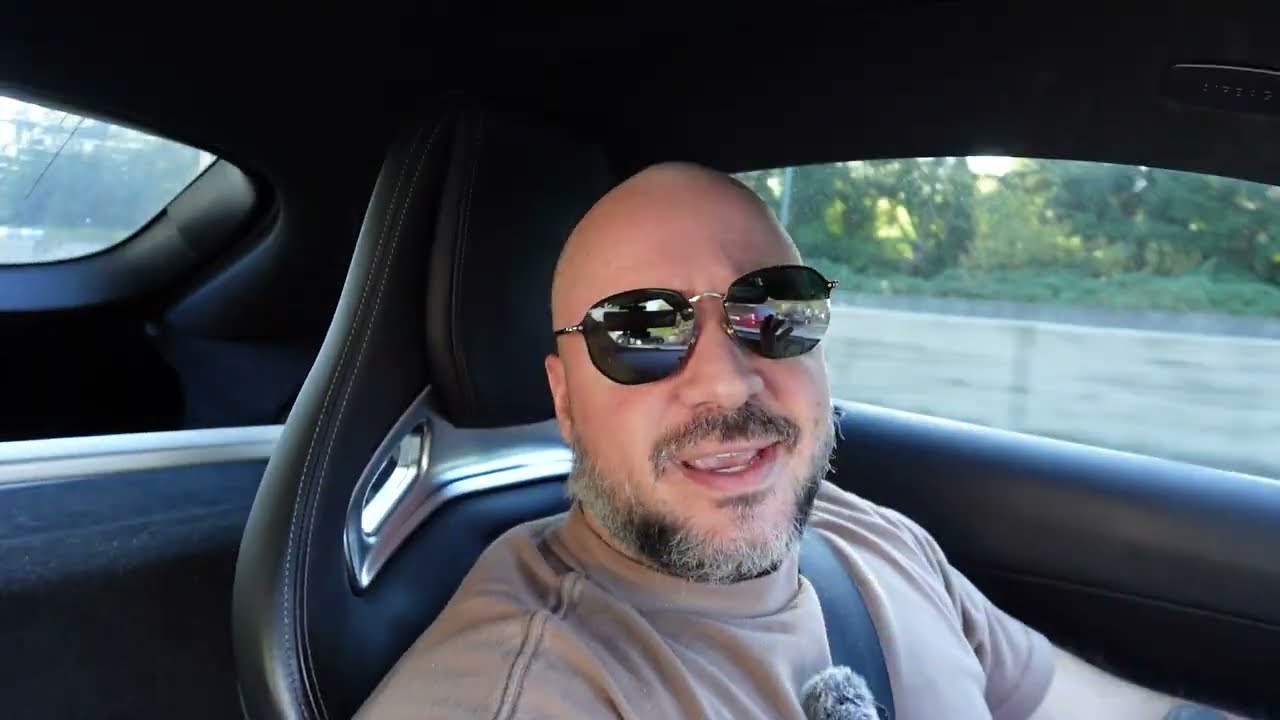
In this video, I share some perspective on some LinkedIn comments regarding red flags and behavioral interviews. I thought it was a great discussion between two individuals, and I wanted to share my perspective on the matter as well.
📄 Auto-Generated Transcript ▾
Transcript is auto-generated and may contain errors.
all right heading home from the office it's a little earlier um because I have a 5:00 meeting and I did not want to be at the office for potentially like leaving between I don't know like by 6 kind of thing I didn't want to be in that kind of situation so that's a nice thing about having uh flexible working hours is like I can like I'm still going to be working the same amount of time I'm just going home in between that way I'm not wasting more time on the road as much as I love talking to all y'all but that's what's up um today was good I did have a topic from uh this morning's uh Vlog that I said I was going to to bring up I don't think anything else crazy came up at work uh that like ins fired me for
some other topic but um I just want to say like overall was productive day for me which is nice I had a bunch of stuff that I had to do some write ups on uh so um one of the things I find kind of going to use the word interesting it's kind of like it's new for me it's uh it's not like a natural thing that I focus on it's sort of like more outward communication uh with engineering activities so what I mean by that is uh I've always been of the mindset that like we're working on important stuff I do kind of what's being told to me and get the teams behind it you know we if we we'll have conversations about what's going on and then we get the work done deliver everyone's happy but um sometimes that's just like not enough and
what I mean by that is like it's like a visibility thing uh I think it's a side effect of just so much going on and being at a huge company that uh we could go deliver a bunch of awesome stuff and then like you're just not getting visibility for it so um trying to overc communicate on stuff one for like our partner teams and stuff like that so and even like internal learning just sharing so let me let me back up doing writeups and stuff like that can be beneficial for internal learning within your team like knowledge transfer stuff like that um then for our partner service owners depending on what the write Up's about and in my case it's very applicable and then third is like I guess like twofold um visibility for people that uh are people that I manage so I can
showcase like here's all the awesome stuff they were doing on a particular project and then um the other part to that is like my own visibility right so I can say hey look here's a project I was leading and I help drive it to completion here's the impact so um bunch of different reasons but I'm not used to doing that because historically it's just been like do the good work and like gets noticed so uh it's just not not natural for me but anyway that was today felt pretty productive did a bunch of writing um it's like writing a newsletter article um except for work so that was cool I still got no I think all my writing's done for that kind of stuff and then I have to I mentioned in the uh this morning's video it's like connect season where we write um
documentation about it's almost like your accomplishments and stuff since earlier in the year when we did this and you talk with your manager about it and uh it's kind of like a written record of uh of things you've done so I have to do that for my team but I have to do it for myself too so I have to get mine written so anyway um that's some more writing I got to do and then I got to do responses to my employees connect so there's a lot more writing but I don't have any more like technical writeups or anything like that so that's what that is um okay so the topic that I was thinking about this morning that I thought would be good to go over every on and that's the topic the end no I wanted to talk about uh it's kind
of stemming from this this interview I did with Jade Wilson and uh the topic was about behavioral interviews and so Jade is a Microsoft employee and she's a content creator over in the UK she's awesome and she was visiting for uh about a week for Microsoft's a global hackathon so some people got to come over from the UK and participate which is super cool um anyway she was like Hey like I'm going to be in the area so figured we'd meet up do a bit of recording and um because I had my chus with Ryan that just launched for Behavioral interviews she was like hey we can talk about that that would be like a an interesting thing to go over I got to switch lanes here I'm behind a bus the Lane's going to end this guy in this like Chevy vault is like
trying to get around me sorry Chevy Vault not today um anyway the uh the interview was super cool we talked about behavioral interviews um she gave me a couple scenarios to go through I like I really enjoyed it I watched it back and I I enjoyed watching it back um which is kind of a rare thing for me I'm still kind of like I get awkward watching my videos and stuff like that like I don't know if that's something that just happens for most people but anyway um so on behavioral interviews we got to do a shout out for the course and stuff that Ryan and I have and then so she posted the video today and you know a lot of people excited to see it which is great to see um you know it's nice getting positive responses uh Ryan re-shared it which
is awesome cuz we worked on the course together so it's cool that you know we got to individually create some content and kind of share it out and then like it's kind of you know promoting the course that we both worked on so super cool and um one of the things that Ryan called out was that and it's actually like from I mean from the video itself the interview I had said that as interviewers in my opinion it's not our job to just like basically try to make you fail like we're not it's not ideal to just like gatekeep I feel like that's an ineffective way to go through an interview that's my personal perspective I think that it's important to try and like you want again all my opinion if you disagree with it you're wrong um just kidding but uh if you disagree
that's totally cool like you're allowed to have your opinion me as an interviewer I want to work to try and extract and understand as much value from the candidate as possible um so I'm going to leave it there and I'm going to get into some Nuance details about that and so I think that was something that really resonated with Ryan I don't think that like Ryan and I did not rehearse a response of his to the post so when he made his post sharing Jade's video post he had called that part out saying like hey like that that's a really important detail I can't remember the exact wording Ryan if you're watching this I apologize I didn't didn't memorize it um but the I think the takeaway for him was like was that like that's an important part which is we're not trying to gate
keep and I'm going to again I'm going to jump to one of the comments that came up that kind of inspired um this and then I'm going to kind of work backwards and talk about some of the details I apologize if it's confusing but I want to present this to you in a way where you'll go oh I I understand why someone's saying that okay so that's my goal so Ryan was sharing this uh and kind of sharing his meta point about what he thought was valuable and one of the comments he got was that uh and this is from a content creator I said this in the earlier Vlog that like we both respect this guy like a lot um he's a great content creator I'm just I'm not going to mention the name because I don't think that that matters and I don't
want whatever I don't want to draw attention to it cuz I don't want it to be perceived in a negative way at all cuz I don't want this to sound negative the the comment was essentially along the lines of like well I I do think it's valuable to look for red flags and in particular like it's actually an important thing that I do in the interviews and so I'm reading this and then Ryan's kind of going back and forth with him on it and saying like they're sharing examples and one thing that like I really like being is when like people disagree on something that you're not immediately shutting down the other person like there's so many arguments and stuff online that could be like interesting perspective sharing opportunities and people are just like screw you man like you're wrong if you don't agree with
me and that's not what was happening here it was really cool to see like you know one individual sharing their perspective and then the other kind of being like well no this is mine uh here here's why I don't think that your example is a good example or I don't think it's applicable here but not attacking the other person not being like entirely dismissive like you're again you can disagree without being like you don't even make sense or you're dumb like you don't you can literally have adult conversations and and disagree and still like walk away and be like cool like thank you for sharing like I appreciate that I don't know why we don't do that more maybe it's just easier to be on the internet and shake your fist at people but anyway um I I'm kind of reading this and I'm like
well like I appreciate what Ryan was saying because it's kind of like he was sharing what I feel like I was sharing in the in the video so I was like ah like that's weird but the guy's responding and I'm going like yeah but I also agree with him because he's saying that he doesn't ignore red flags like red flags are a really good signal and then I'm thinking like like how are they how are they arguing in the first place or like debating this in the first place like why can't they both be right about this that was what was going through my head so I was like okay I must be I must be missing something so I went back up and I read Ryan's post and like was trying to at this point I had understood the meta point of what Ryan
was saying cuz I agree with it and I'm trying to look for details that make me think like or make me understand was there just some part of this that I missed that the other person picked up on with a different perspective and that's why they're having this debate like it's got to be something like that and sure enough I think I think the way that what like something that could have been misinterpreted or or maybe maybe it was the fault of Ryan I don't know like maybe this could have been more clear or said in a different way or maybe Ryan did mean it this way I don't know right but the I think one part of it that may have led to to confusion or a a a difference of opinions was uh I think Ryan had said something along the lines of
like we're looking to kind of like looking for Value in the candidates not looking for red flags right and I I I made a course with Ryan on this so I don't think that Ryan is intending to say we ignore red flags right I don't think that's what's being intended here I think what's being intended is to say like we're not trying to put you on the spot to trip you up and then go oh there's a red flag like we're not trying to trick you and classify that as a red flag I think that's I think that's Ryan's point and I 100% agree with that um and if that's not what Ryan meant then I might be misinterpreting stuff even more but the point is when I read that I'm going okay like I could totally rationalize why this other guy is is disagreeing
now he's saying like no there is a there is value in red flags and I agree like if if a red flag comes up you don't want to be like oh I'll just I'll just ignore that one like this person is apparently going to physically attack people but that's okay like we don't pay attention to red flags you know like you're going to listen to them but again the the point was that when we're interviewing people as interviewers the goal of the interview in my opinion is not to say let me find all the ways to make this person fail it's just not now maybe one could argue if you spend no time on trying to surface red flags like actively are you just going to miss them perhaps that I mean that could be an argument right and I'm not I don't know maybe
yeah sure but I think that historically when I've approached interviews this way and kind of like given people the benefit of the doubt the what I'm trying to accomplish is making people feel comfortable in the interview I'm trying to make sure that like if someone's stuttering or they're trying to explain something and they're giving too much detail or not enough detail I don't go oh that's a red flag because this person is unable to answer my question or they can't navigate it properly like those aren't red flags to me those could be warning signs that I'm like hey this person maybe is uncomfortable or they're not great at interviewing or perhaps they're avoiding like this could turn into a real warning sign so it's a signal so I don't necessarily ignore it but I'm not going to like hold it against them if they're I
don't know they went into too much detail if they keep going into too much detail on everything and I go the whole interview trying to get them back on track and it just doesn't work then like I then I failed to extract value from the person I'm interviewing and like you know like when I want to I want to say that that's on me but at the same time obviously like there's only so much I can do and as long as I'm doing my best to keep them coming back on track then like you know it's I failed at extracting the value and I want to take responsibility but I can't blame myself if someone doesn't actually deliver on answering questions like that's the difference so anyway the framing here that I'm trying to make clear is that if someone said something in an interview
when they were answering things for me and I was like holy crap like that whoa like that's that's a red flag um I would not ignore it but the goal of how I ask questions is not to put you on the spot to like force something weird out of you like that is I think that's how I would explain it so and in other context like with coding questions it's the exact same thing it's the reason I don't like lead code because I feel like a lot of the questions are a lot of the questions are aimed at having a trick to them some weird Nuance that you just need to know in order to like solve it correctly and I think that if you were the kind of person that wanted to ask a lead code question I think it can be totally fine
if you go into it being like look my goal is not to trick you with it but like I just want to see your train of thought and how you think through problems great I think that could be awesome right like hey here's a weird problem like tell me the naive solution you think of and then like could we hypothesize any other opportunities to kind of f figure this out and do it more optimally like where do you see this being bottleneck where do you see this being inefficient and just like having a cool conversation about it um to me that's like getting an understanding value out of the individual but if someone's just like look I can't I literally am stuck trying to find the optimization and then at the end of it you're like well they got they coded the naive solution they
couldn't find the trick so they fail I'm like man that's like you you're just you're setting people up to fail if you're approaching it that way so I I think that's bull crap in terms of like an interviewing style um which is why personally I steer away completely from asking lead code style questions my my questions are very simple and I when I say simple I'm not using the word easy because I first of all I don't think it's easy for you know across the board for different people for some people it might be very easy but they're simple at least because there's no tricks then what I do is I scale the question so for example if I'm asking a senior software engineer my one of my interview questions that I really like to use if they fly through it great I have variations
that I can start adding in I can say well what if we did this instead what if there was this constraint like tell me what's going to happen to how we design the code it's not a trick I'm not saying haha you didn't predict this I'm saying great you did it exactly as we discussed now like now what happens like just talk to me and show me what's going to change and I find that that can be very effective at again understanding how people think through things and and solve problems um and then if someone struggles right so if I ask a senior software engineer like the same question and they're struggling to even get through the basis of it then I go hey like I'm I went into this not trying to trick them if I give them a little bit of guidance and
it's not unsticking them then I go okay like you know like they might not be capable of coding at the level that we're hoping for um now I should also add this I have absolutely interviewed people in the last 12 years where they have told me that they code every like basically they've had a program pramming job for like 7 years so as part of that they're they're programming every day um I'm not sure if people are familiar with fizzbuzz or fiz poop if you're not um you can like check fiz poop or fizzbuzz on Wikipedia it's I can't remember the exact stats on this I like admitting when I don't know stats because I'm not trying to you know to pull the wool over your eyes but there is this interview question called fizzbuzz or fizz pop depending on who you are and it
goes over some very BAS basic programming Concepts and the premise of the question is something like this like you have a loop so for the numbers like 1 through 10 or whatever range right so you need some Loop so for the these numbers if the number and you can change the condition but usually it's something like if the number is divisible by you know if it's even print Fizz if it's odd print Buzz or pop and again you can change the conditions but the point is that you have a loop you have an if statement and if you're doing the um the even odd thing then you have like a modulo operator but you could you could do that different ways right you can you can ask different conditions um so like you could say for like you know these 10 colors or something for
every word that has more consonants than vowels whatever it happens to be right but the very simple version of this is like a loop an if statement and like some type of operator where you're checking some condition right and you would be surprised how many people cannot answer this there's no tricks at all and they have stats on Wikipedia and I think I think it's something ridiculous like 70% of people can't answer it it's such an effective way of just like have you written code because there are no tricks and I've interviewed people like I said in the past 12 years where they'll say this is how how often I code or whatever is part of their job how long they've been doing it and they go great okay we're going to do a question here you can pick literally any programming language even if
it's pseudo code um and we're going to do like fs buuz and I explain the conditions so again numbers 1 through 10 um if the number's even print Fizz if it's odd print Buzz they can't do it it's very very interesting that like like that kind of thing happens and I don't know like I'm I've thought about this before I don't think in those situations I'm trying to think where it's like what's that like am I missing something truthfully like when someone says I've been doing it for this long we're talking years of programming and then they're unable to answer that in in any PR programming language they want so it to me it almost feels like they have to be not telling the truth or they've been employed but they're not like they're kind of coasting and not actually writing code they don't know
how to write code anymore or something um but I wondered like what what am I missing like did I ask the question in a way that literally cannot be understood or or what so I don't think that you need to ask if you're going to ask like a a skill question for coding I genuinely don't think it has to be that difficult doesn't have to be that complicated it's just my personal experience and I think that you can extract a lot of value by by kind of putting different constraints on the question and and seeing how people navigate it again you're not surprising people with these things and saying aha like you never thought about this fail um so you could be talking about a like a a DSA question and you'll say well does it change things if it's sorted or if it was
sorted does it change things if it's not sorted or if it was sorted in the reverse order like does that like what would change here um I've asked people like API questions like okay if we if we expose this particular thing like what happens now like any concerns or like does it make it easier to use like can you tell me the pros and cons like I want to see how people think through things that's all and when you're thinking through things and you're articulating your thoughts to me that's something we're going to be doing on the job we're going to be working together solving problems um I think like on the coding side and and I mean even for Behavioral stuff too maybe not all behavioral but at least for coding I think a super effective way uh is like kind of doing like
a pair programming exercise I'm not saying it's easy to organize I'm not saying there's no Faults with it but I really like that because if you are a candidate and you get to sit down and work with someone to solve a problem in code doesn't that kind of feel like what real life is like at work like yeah you're going to be doing stuff in isolation like you know independently that's going to happen but when it comes to working together on stuff man like I can't I don't know of a better way you're literally practicing working together now there are gchas with that because of course like okay how do you make sure that the interviewer isn't leading too much or how do you make sure the interviewer is not participating enough like you're going to have variance in the interviewers some people will if
you're just looking at leading or not leading some individuals will go hard one way or the other so there's like some consistency challenges um do you present a problem that both people don't know so okay where where does that question Bank come from like there's a lot to I'm not trying to say it's trivial I'm just saying that I think that's a really effective way that you can do it I'm sitting in traffic completely red in the fast lane paying money to be parked ask me how I feel about it um but behavioral interviews similar thing man like it's not you know let's take an example right if it's like tell me about a time where you had a conflict with someone that you were like on a different team that you were working with my goal with that question is not to say I
can't wait for you to embarrass yourself if you mess this question up like it's not this one can be a good one for revealing red flags like if people start not taking any responsibility or they're just blaming other people or they're hyperfocused on just like why someone was so awful like those can be warning signs that turn into red flags but even so if someone was spending a long time just talking about like yeah this person was just so difficult to work with here's all the reasons I don't like them like that's not that's not looking good but if I were like hey like tell me tell me what you did like let's get back on track um if they could just flip it around and start answering and get back on track like that might not be a deal breaker but if they're just
like they start to answer and then they go back to like blaming other people and then I'm like okay like we we tried like that question's not looking so great for you but again the goal I'm not setting out to like make people fumble I literally get a lot of value and understanding how you navigate difficult conversations why because as a manager guess what I have to deal with I have to make sure that people are working well together so uh yeah it happens you might not believe it but um even with adults right it's like it's not kids like these are full grown adults software Engineers super smart people excellent in what they do uh and they can be great to work with too but there are situations that come up and it's like like what do you do right and I want to
make sure that people are mature and they can collaborate and they can ideally try to to work out problems with each other right if they if they need to escalate then they escalate but like I think that's a good type of question to ask that's not trying to set someone up for failure anyway going back to this whole thing I think that if I kind of like summarize what was happening and like my perspective on it one I don't like to trick people in interviews I think that's bull crap two I think it's really important to spend more time trying to get value out of someone and understand them versus looking to gatekeep them but third yes I pay attention to warning signs and red flags yes there are warning signs and red flags and if people are like you know someone's racist in an
interview or uh they're insulting they're condescending um like some of this stuff is like it's obviously it's a red flag it's not happening um there are some things that are a little bit more of like a warning sign and um there are going to be situations where yeah like if I'm unsure I will try to learn more about that and see if it becomes a red flag but it's kind of like I've already been giving someone this is usually how it works I've been giving someone the chance to explain and navigate and go through things and you know if they're kind of painting the picture that like they happen to be problematic to work with they don't take responsibility I will try to understand that more I'm not going to say oh let me just pretend you didn't say that so again thinking about how
this this post was phrased um and what I believe the intent was it's like it's not it's not to ignore red flags it's not the goal but we're not going to like unfairly put people into positions or you know if someone like I said if they're nervous they're having difficulty answering a question legitimately right like they're just because they're nervous they're blanking uh they don't have a good example if someone doesn't have a good example of something that's another one to touch on like if I said tell me about a time where you had a conflict with someone and how you resolved it like on a different team or something if they're like look like I worked for I'm a junior I worked for one year and like I don't really have a good example of a conflict with someone I could either go look
for another question or I could say tell me tell me how you might approach that right I'm not I'm not like well guess guess you're not getting the job pal like that I think that's kind of the meta Point here is like we're not trying to set people up to fail so I wanted to talk through this cuz I thought it was kind of interesting uh especially because two people I really like um were debating about this and I think personally it came down to a bit of the language use likely un unintentional but I think I think that's why it happened so hopefully that helps but if you're curious Ryan and I have a course on behavioral interviews it's on dome train we're very proud of it we're doing our next course now uh so we're super excited about that too but yeah it's
uh you know interviewing is not it's not easy um I mean and when I say it's not easy like I mean very much in particular for the candidates I totally get it um it's nerve-wracking it's uncomfortable like not like I don't enjoy any single part about it um I don't know anyone that does but I'm sure there are people that enjoy it there's people that enjoy anything so uh as a as an interviewer I'm not like super it's not like something I get excited about I would say um and I think the reason I probably don't is like I very easily get secondhand embarrassment and I'm introverted so what naturally happen it's like it's actually like exhausting for me is probably why so to explain if I'm interviewing someone and I start to feel like I know they're nervous or you know they're messing things
up and they're like oh like I can tell they're like fumbling and trying to get some examples and stuff immediately I feel that for them and it's like very very uncomfortable so I don't mean that in that like I don't want to say like I'm embarrassed for them that's not fair but I feel their discomfort because I can sense it from them right I can tell they're uncomfortable and and then I start to feel that and what I need to do and it it actually happens pretty naturally for me which I is good I guess um and I've noticed this because I am introverted but let me explain so when people start to you know to fumble and whatever else like I compensate for it naturally and I think it's because like I I feel what they're feeling where I'm like I know this is
uncomfortable for you like I get it so like what can I like I'm thinking this in my head like what are all the things I can do to make this person more comfortable so whether it's cracking a joke or whether it's like hey let's pivot to this or um you know it's just but doing that doing that is not it's not that it's difficult in the moment but it takes a lot of energy out of me and I think that that's something I anticipate when I go into interviews is that for most people they're uncomfortable for most people they're probably going to mess up some words or something like it's the whole thing is like I get it right it's uncomfortable and that means that I'm anticipating that I'm going to have at least some portion of time where I have like these high energy
things where I'm like oh man I have to like you know I kind of have to like compensate for this person for how their how their communication is and making sure that they're feeling comfortable and all this stuff so I think it's probably why I don't like love it but what's what is cool is like I get to one I get to like meet awesome people um at the end of the day like if if I'm not the hiring manager I'm just one of the people in the interview Loop um you know I can I get to kind of put my my vote in but you know it's nice to be able to meet people um so that's cool it's nice to be able to to answer questions for them so when they're like hey like really curious about how the team works and all
this stuff like like I like that part but I think it's primarily like this this feeling of like if they're feeling like they're off like I sense it and I'm like oh man like yeah I just kind of like mirror that feeling and it doesn't feel good so but that's interviews we're almost home here so what else is going on I got a super busy day tomorrow it's a it's a one on1 day my my Mondays and Thursdays are packed with one-on ones so I do that on purpose by the way so I'm not complaining about it it's just it frees up other time in the week so got to do that um I talked earlier but like I got to get connects done I got to start responding to those which I'm wincing about not because I don't like doing them I'm wincing because
I know how much work it is it's uh it's very time consuming so I don't know if I talked about this on on this Vlog but I definitely think on my on my weekly check-in Vlog that I do on my other channel um at Microsoft we have what are called connects I kind of described this earlier the video we also have like a talent guide and it's basically just a rubric um and generally what I find is unconnect people talk about their accomplishments and things like that so project deliveries and it's more quantitative and that's great it's all it's all good stuff um and then we have these Talent guides which are far less like quantitative types of things and much more like qualitative and they'll talk about like I don't know like traits that we expect that developers have at different levels as an
example so like I'm just trying to like use my my memory to to visualize some of the things on there but there's like a customer focus section that talks about like you know you pride in your work and stuff like that or your ability to like um you know like work with work with Partners or clients and kind of like uh with empathy like that kind of thing and there's stuff that's like under the technical sections on you know you're able to uh solve problems independently or like just things like this right and what I find fascinating is that it Microsoft connects our mandatory twice a year but what's not mandatory is using this Talent guide there it's it's just not mandatory so managers do not have to have conversations with their employees and use the talent guide and to me that feels kind of
backwards because like the connect I think has value in it but the talent guide is literally when I have to put people up for promotion and rewards I am I am expected to be able to speak to different things on that Talent guide in particular like I'm expected to do that so I find it very odd that like that's not sort of like enforced the same way that connects are so for me I did started doing this maybe not in my first I think I didn't do this my first year Microsoft but every year since then and I've had really good feedback on this from from people I manag but I go through the talent guide and I go through um the connect and I put them together so that when I'm having conversations with people it it's like they they understand how their connect
is correlated to how I see career progression so for example when someone talks about a project with a milestone that they delivered and they worked hard on it hear the results and it's like these are successes I can respond and go yeah and like and here's the things that that relates to on the talent guide like here's extra reasons why specific this is valuable and how it relates to Career progression and things like that so I think people really value that the other thing that is on top of that is like those Talent guides the rubric that I'm talking about that's not something I just do on my own so I actually some of the the higher level Engineers are like yeah it's kind of just like paperwork I don't like doing it so I I try to be flexible on this stuff but especially
for the people that are interested I go through the talent guide with them I give them the opportunity for them to do like a self analysis and then I kind of include my own notes and then we have this living document where we can go back and review it as people want to talk about career things so like that takes time too but yeah the the connects for me too much talking um the connects for me take a long time time because I I'm basically doing a talent guide full update and a connect response and then I have to have the conversation with people which is like another hour so it's just like I said I'm not complaining about it it's just it's a lot of work and um I think that like I 100% think it's worth it because uh not only do I
think that there's a benefit in it personally like I want to believe there's a benefit but I've had I've literally had feedback where people are like this made it so much more understandable um I just went through a a talent guide review with someone not even with their connect yet and just this initial Talent guide review and they said hey I've talked about this with my manager before like these Concepts and stuff but like we've never gone through it kind of line by line like this and like really tried to understand it so they were like this is really good for me so like these these are the things like I I I need to spend time on I think it makes a huge difference can I get this oh trying to let this person but they wave me so no worries you'll be trapped
maybe they turn the left you can see them there they are that's them right there so it's going to be busy busy busy busy busy and then uh then I go to Hawaii can't wait to go to Hawaii I got a meeting in like 6 minutes I'm so close to home but am I going to be late for the meeting there's only one way to know let's just sit at this stupid light a little bit longer this light is awful by our house makes no sense why it's red for this long yeah I got a meeting and then I'm done for the day I'm going to try to make sure that I'm only on for the allotted time it says it's a 30 minute meeting I don't want to go over um I got to record course material tonight so uh I will probably do
the meeting eat something cuz I'm starving and then get the camera on and start recording see how many uh see how many sections I can do tonight excited though due dates coming up soon but I think this will be another good course it's going to be another big one it's uh it's quite exhausting doing the big ones it's a lot of material to get through so but it's good these are the kinds of courses I like making so it's like these car rides without all the rambling it's a little bit more succinct but here we go bet all the dogs are waiting in the window we have this yeah they are we have this big bay window and the dog just wait there I don't think they wait for me CU I don't think they even love me anymore uh even my own two dogs
I don't think they care uh they love my wife though so like even my my youngest dog he's uh he's barking at me right now he uh I think if I died he like wouldn't care cuz he loves my wife so much it's crazy he's obsessed with her so sometimes if we're sitting on the couch together he'll like he'll like make it seem like he's coming up to see me like oh okay yeah you want to give me attention and then he climbs onto my lap basically just so he can walk over to my wife I'm like man you're such a traitor but they're super cute we love him can you see them in the yeah you can that's Lyla she started barking when we moved into this house otherwise she was pretty quiet but now she's the uh the ring leader in barking but
that's that folks um thanks for tuning in I'll see you next time
Frequently Asked Questions
These Q&A summaries are AI-generated from the video transcript and may not reflect my exact wording. Watch the video for the full context.
- How do you approach behavioral interviews to avoid setting candidates up to fail?
- I believe it's not the interviewer's job to make candidates fail or to gatekeep. Instead, I try to extract and understand as much value from the candidate as possible by making them feel comfortable and guiding them through questions. I focus on how they navigate difficult conversations and problem-solving rather than trying to trick them or catch them off guard.
- What is your perspective on using coding questions like LeetCode problems in interviews?
- I steer away from tricky LeetCode-style questions because I think they often set candidates up to fail with hidden nuances. Instead, I ask simple but scalable questions without tricks, allowing candidates to demonstrate their thought process and problem-solving skills. If they fly through the basics, I add constraints or variations to see how they adapt, which better reflects real work scenarios.
- How do you handle red flags or warning signs during interviews?
- I do pay attention to red flags, such as problematic behavior or lack of responsibility, but I don't ignore them. However, I don't try to trick candidates or hold minor mistakes against them if they are nervous or struggling. I give candidates chances to explain and navigate issues, and I try to understand the context before making judgments, aiming to fairly assess their potential rather than set them up to fail.