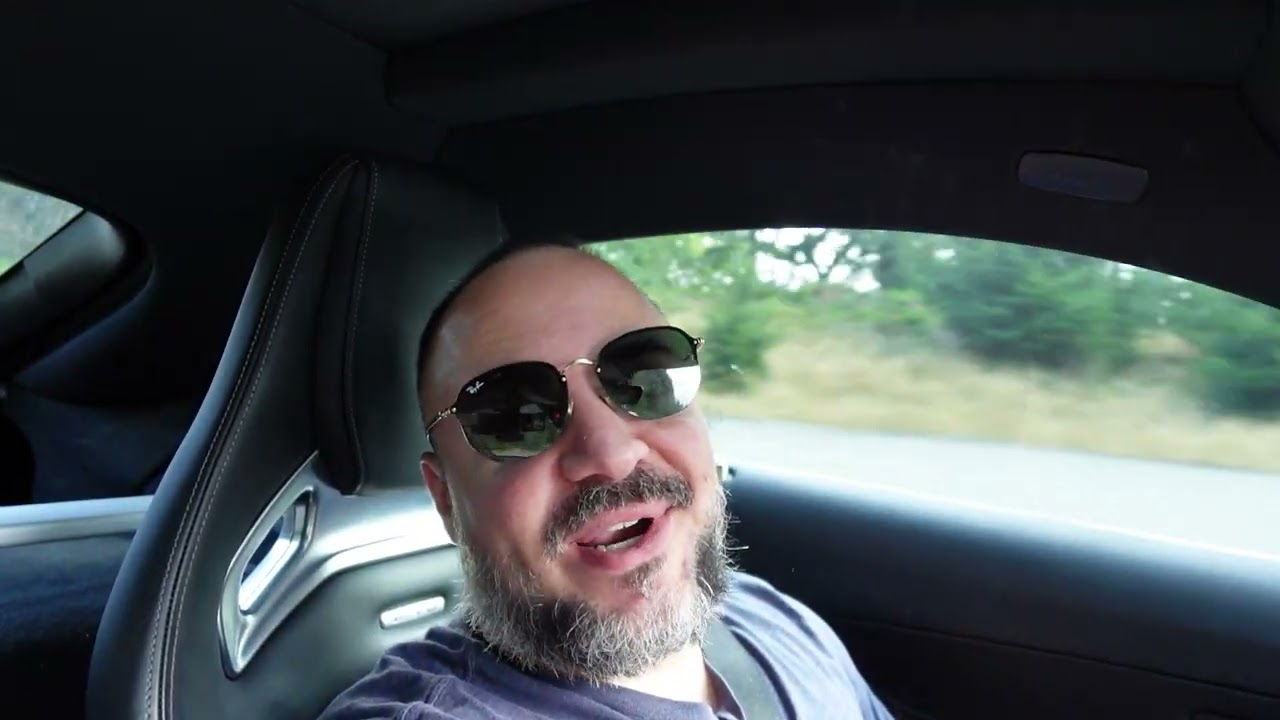
Everyone has their own opinions about one on ones. Here's how I approach them as a software engineering manager -- regardless of startup of Big Tech.
📄 Auto-Generated Transcript ▾
Transcript is auto-generated and may contain errors.
all right time to get into the office it's uh I think last day where folks are traveling in um that I'm working closely with at least so we'll do one more of these says 50 minutes to get in but that better not be the case we'll see yesterday was pretty rough there was a I guess there was an accident or something I don't know I couldn't see anything but super slow um so that doesn't always happen fortunately or else I would go nuts but we'll see it's pretty bright already so I was at CrossFit this morning I've been up for a little bit I had to be up at 5: it's already quar after 9 so kind of weird though just uh that seems like a long time like I've already been up for over 4 hours and just based on where things are it's
kind of inefficient I guess so like I wake up at 5: CrossFit classes for 6 so I have to I have to be out of my house by 5:30 uh so like 30 minutes to try and just like be conscious I guess which is hard at 5: in the morning then I come back home and then shower and then I'm kind of in this like weird spot where there's not a ton of time to get into anything I took a call this morning for um it's not work rated so what what do I call it it's uh for Content creation reasons I guess um so that was a quick call but then like like I said I'm kind of left in this weird spot where I don't have a lot of time to dive into anything so I'm not I'm not yet figuring out how
to optimize this amount of time because when I was going to the gym in the evening I could figure my stuff out like I could go basically right from work or you know if I'm working from home just go right to the gym and then not have this weird like I got 40 minutes I got an hour and 15 minutes like what can I kind of put in the middle there so I got to figure that out cuz it's going to it's going to drive me nuts if I'm doing this for like a year and then I'm like where where is all this time being lost and to be honest like big part of it going to be that 30 minutes of just like traveling to CrossFit and on the way back like that's when traffic starts to pick up in that direction too so
it's like it's going to be another 30 minutes I lose I already lost an hour to driving basically today so that uh that doesn't feel good but that's okay um yeah I think couple things I was thinking about talking about today um 101's I think is an interesting topic so I want to ramble about that I guess before I do that I thought it was kind of funny I'm going to use the word funny um these are like very clearly Vlog videos so I feel like and maybe I'm wrong I would love for someone to correct I'm wrong on this but I feel like if you're clicking on this to watch it and you see a dude in the car and I'm driving and I'm talking I just feel like you kind of know what you're getting yourself into and I don't I don't care
if people are like liking the videos and all that like it's great but like I'm not asking you to do that but I find it fascinating when people dislike a video so I guess I don't make dislikes public anymore but it always makes me wonder like what did I what could I have possibly said that made you go nope like I I need to take an explicit action to dislike this I thought that was kind of interesting I don't really care um it's more just that it's I'm curious like what what makes people do that cuz I could totally get if you were like YouTube just put the video in front of you and you were like no I want to make sure I don't get this on my feet any anymore like let me let me try to tell the algorithm to not show
it to me but like you click this I'm pretty sure you I feel like you must have clicked this video so if you're like dis like actively disliking it like why why so aggressive but anyway 101's we're going to talk about 101's a little bit so 101s are obviously an important thing but um everyone's got a different perspective on them I've heard people say that like if you don't have an agenda for a oneon-one like you're failing like as a manager and as like an employee I guess and I'm I mean I don't know I I don't think I've had hard agendas in 101 since I started managing and I was like trying to like trying to do better things and like test things out and like having schedules making people like fill out notes and stuff before and I'm like nah you know at
this point doesn't make sense now if people want to do that different story right so I think I've adjusted a lot of my management leadership style to be uh just purely as like as flexible as I can to the individuals that are on my team and I'm trying to like there's very few things where I'm like oh like everyone's on everyone of the team's got to do this and we're going to talk talk about one of these things that I don't enforce but kind of like uh kind of want people to do because I think it's important and I was talking with someone else about this that it's a little bit more senior than me and I think we were in alignment on it so it was kind of interesting to get their take but 101's right it's pretty typical that one-on ones devolve into
like and I'm using the word devolve not to I don't want that to sound like an aggressive word like this is the worst thing that can happen but it's kind it kind of seems like the steady state thing so when I say devolve that's what I mean but I see them devolve into two things one is just status updates so people saying like here's here's the code I'm writing for the feature of the bug and like here's where I'm at and it's kind of like the gist of it and then the other thing that they devolve into is kind of like is a basically a similar thing but then someone going like I don't really have anything for today like and their I guess the framing generally is like I don't need anything from you and I don't have any status updates to like convey
so I when again when I say devolve into I what I'm saying is I think that it's pretty typical that over time without without sort of the right ingredients going into it that things kind of fall back into that kind of situation and I think it's like it's kind of unfortunate because I think that these are really good opportunities um now there's an interesting kind of way to look at this because it's like obviously as an engineering manager I want to make sure that I'm helping people get the best out of those conversations right like that's what I want that's my job is to make sure that I can help you do your best work possible so it would make sense that I want you to have like effective one-on ones but when I'm saying an interesting balance is like I don't want to hold
people's hands through it to tell them like here's here's what you got to do because part of it is like coaching people to be proactive and like I want people to be able to have the ability to say like here's what I want in my 101's like here's the here's the value I want to get out of them but the reason I say that's interesting is like how do like how do you balance that because I don't want to dictate what happens in a one1 but I also don't want it to like you know air quotes again like devolve into just status updates so so I think part of how I approach these is like I need to let people know that they have the flexibility to go over anything that they're interested in and and I let them know that like if there's anything
that I actually need from them like if I need something then then I won't use a one1 to get it from them and I think that's important because I don't want them to feel a pressure that they need to have uh like that they need to use it for status updates there's a police officer we got to watch our speed this is unfortunate because he's driving in the the lane that I need to move into so I have to like merge into the fast lane in just a second and that's where he is there we go we did it kind of awkward oh he's pulling over ah he's going into the hiding spot that felt weird I was like is he trying to like pull over so that so that he can put his cherries on and then pull me over or something I don't
know um anyway what was I saying I I was super distracted when I don't know if other people get this I think it's pretty common but like there's a cop and then you're like wait what am I what law am I breaking I don't know like am I allowed to have a camera pointed at me is that okay was I speeding I was speeding a little bit but not a lot they passed me so this big this big old truck what's it doing what are you guys doing okay so yeah I like letting people know that like basically I don't expect them to have to give me information in 101 like we have sync meetings for that with our team if I need something like for example they're working on a project there's other visibility with partners and other stakeholders like I will reach out
to them as I need to try and convey those updates like you don't need your oneone time to like to tell me that now I've seen people talk about this online a lot and kind of like with anything when people start taking extremes I feel like I don't I have a hard time like getting behind things that are extreme like that and the the thing that I see people say is like sorry I'm just getting some something to drink here um the thing that I see people say is that you should like status updates in 101's like what are you like a barbarian like it's like the worst thing that could ever happen you know like shame on you as a manager and like how could you be so wasteful as an employee and I'm like look I think that there is value in status
updates but I think it's all about why right so again if you're giving me a status update because you think that I need to have that information or like that I'm waiting on you for it I think that's a problem because like I said I'm trying to communicate to people I don't have that expectation of you if I need it I will come get it from you oh man oh man oh man hammering the brakes here this uh Audi SUV behind me it might be a Q8 kind of looks like a big old SUV I didn't think they're going to stop so that kind of bothers me cuz like there can be value in that and the the thing that I I try to have when people are giving status updates like there is this opportunity where we can kind of shift gears a little
bit right so as they're giving me the status update I try to change it from like it's not just like a checklist like tell me the next project what's the status tell me the next project what's the status like I try to dig into things a little bit more like oh like oh yeah you were collaborating with um someone so on this other team tell me how that's going like how's that working relationship going like are you getting the things you need from them right like are you feeling blocked are you feeling like there's ambiguity um they might be working closely together and they need together they need something from someone else so okay like are you guys a like are you guys pairing up and working on this and it's effective or like it's about the other parts not not the status update itself
and what can be really cool about that too is especially if we've been talking about some Focus areas like like hey like um going forward be good if we can start getting you in front of More Design documents or um we were looking for something that you can lead uh like you know whatever it happens to be could be a million things being able to talk through status updates and correlate them back to things like that I think that's helpful cuz now we're kind of like linking it to some career growth like kind of like weaving it in and out so I think that there's opportunities for that and to be totally honest if you're doing weekly 101s if you're trying to talk about career growth in depth every single weekly one-on-one it's totally artificial that you're going to be able to make progress like
that every week it's just the reality and I'm not saying that it's impossible I'm just saying that like it's unrealistic for every week to be like you know good job bad job whatever it happens to be and like we can see the needle moving on the career progress It's just it's just not realistic you can have a week where someone's out for 2 days now they've been working for 3 days and what next week you're going to like forcefully talk about career progress and like maybe you could maybe you could talk about other things that you haven't talked about career-wise like it's possible but I just feel like it's artificial to like force that which is exactly why I like having my employees Drive so I don't go in with schedules I have some employees that that absolutely create schedules for the things they want
to talk through they'll have a list sometimes they send me the list ahead of time that's great that's super cool is it helpful for me hell yeah but like do I need it no so like if they stopped I wouldn't want them to be like oh sorry like you know I couldn't get to it I'm so sorry like no like this is an extra thing it's not an expectation so is it helpful yeah cuz I can read it ahead of time I can collect my thoughts that's cool but I wouldn't mandate it because I think for individuals like that they're getting benefit out of putting that together like they're like it's basically transcribed from their own notes man that sun is something else jeez this little thing is like ridiculous if so small it doesn't even make sense how much sun are you actually blocking
with this thing zero you're blocking zero Sun okay so I don't need agendas ahead of time they're helpful it's great I think it's a good exercise that people are already kind of planning their week and stuff super cool um but not not required so some people do it that's great so when people want to talk about status updates and things like that I am not opposed to it uh I try to pay attention though I feel like if we are going through every 10one and it's always a status update and the sort of you know that little bit of deeper analysis I was talking about that bit of exploration like hey like tell me about how some of these other things are going if that's not fruitful regularly then I'm like okay I'll like I'll interject a little bit and say hey for next time
like it's been a little while since we've talked about X like uh with uh respect to Career growth like let's make sure we give that some thought we can talk about that next time right so I will try to to bring it back and I often think that it's not it's not like people are trying to avoid that conversation or something like that's not it I think it's more that they're it's kind of a weird thing to bring up for some people like it's a little bit uncomfortable um which is fine I get that I think for me to talk even with my own managers about career progression and bring that up as a topic like that still feels unnatural to me so I get it that's fine um but if they brought it up to me if they were encouraging me and saying like
hey like we should talk about this then I'm like yeah like that actually makes sense like that would be a good thing so you know I'm not I'm putting it in front of them to kind of like remind them like hey like we can do this you know like this would be a helpful thing for you right and every single time like oh yeah like that would be really good I'm like okay like I got to do a better job reminding people that that's totally a topic that's okay to talk about and we should be talking about so um yeah otherwise in 101's uh something I sometimes mix in is like if people are working on some bigger work streams so say they're delivering features and or functionality in a particular work stream um there are sometimes situations where like especially if we have uh
a lot of time like say we've kind of flown through things and that's that's great if there's a lot of time um what I might do is say hey like hey that work stream that you're working on uh like heads up like so we have overall we have this bigger focus and like here's how that work like fits into that and here's how uh these other things are coming up here's this overall work stream is super valuable so I sometimes take this opportunity if there's extra time just to like remind people about about the value that they're they're delivering right cuz I think it's easy for people to get lost in in the why and they end up focusing more on like I got to get something delivered by a certain date and like I know how I know what and I know how and
let me focus on that but hearing why understanding why can be a very motivational thing can be a very engaging thing where people start to go I understand the significance of this um and especially if they're facing challenges they can remind themselves like this is why this stuff's valuable it's not just because like someone wanted to like change how the code looks for no reason it's like no like there's actually truly value to it I just realized how tired I am not good I blame CrossFit crossfit's bad for you um okay so another thing I wanted to talk about though and it's kind of related to 101's it's like uh and this is going to be this might look different at different places so I kind of get give you a little bit of the The Office 365 perspective this guy's ridiculous there's a guy
in another Lane who's got his signal on it's just left it on I guess but he's driving at a weird speed like he's trying to merge in but like there's no way it's going to happen um okay so this other thing I want to talk about are we call them a bunch of things like there's a talent guide there is a the rainbow document cuz it's colorcoded there is the like a rubric so really it's just a rubric and if that word sounds weird to you and you're like I I don't know what a rubric is all that it is is like a table it's kind of like a criteria and each cell is criteria but it's organized by like um the the type of the criteria and the uh and the level or band I guess so kind of like experience and uh the
other axis is like the focus area if you can kind of call it that way so these Talent guides are I think extremely helpful um they are not mandated for use between managers and employees and to me that's baffling like we have in Microsoft we have something called The Connect and the connect is mandated for us we have to do connects twice a year with their employees and that makes sense would more often make more sense perhaps but we're not forced to do it any more than twice a year so the talent guide and the rubric are interesting because your connect is kind of like listing out and I'm oversimplifying it but like listing out here's the things that I've worked on here's all the awesome stuff here's the things I I learned like setbacks and how I overcame them a lot of goodness for
sure um but I sometimes feel like it ends up missing out on on those core things that we look for in the talent guide and to say it explicitly when it comes time for promoting people and talking about rewards and things like that as managers we literally use the same like type of data points from the rubric and the talent guide we literally do that so I've always found it kind of fascinating that like it's not mandated but that's the way it is so kind of weird um now I wanted to talk about these because I think they are so valuable and at the end of the day like when it's time for promotions and rewards like literally what I need to do is uh have write ups for individuals on my team for uh forther performance bonuses for rewards looks like something's on fire
on the road here what's going on maybe someone's terrible exhaust um what was I saying oh yeah so when it comes time for for doing those things like what I need to do oh what the this guy's he just pass a truck it it literally looks like there's clouds of smoke pouring out of this guy's truck like it's filling the road that's how bad it is it look like fire um when it comes time for the talent guides and the rubrics and all that or sorry promotions and rewards I need to be able to talk about the items that are in the talent guide like as as the requirements like I literally take my own wording and if you're not going through Talent guides with individuals you are tasked with like talk to me about this individual with respect to the talent guide and that's
because within our organizations we need to make sure that we're we're looking at people fairly so that's where the fairness comes from we have a common rub brick to make sure that people are focused on the things we care about in terms of like key competencies and stuff like that so if we need them as managers to be able to sorry that if we need the talent guide information as managers for promotions and rewards like why would you not mandate that you should be having those conversations with your employees I just feel like that's a huge missed opportunity and I know it's not happening cuz I've literally had people on my teams that are like oh no I've never heard of that oh an accident nice it's a little one it's a little fender bender but that's why like someone's smoking out of the back
right that truck that I passed we got a little fender bender which is blocking everything else it's like people have a little fender bender and they're in I'm in the the pay to be fast Lanes but they were in the other far left lane which is still a fast lane and they're just stopped like get off the road get out of the way that's crazy you're not going to well you're going to get out on the highway and have a conversation with the person that hit you like n get out of there so the the goal of what I wanted to cover with the talent guides and stuff is like this how much emphasis people put onto them and like I said managers we we need that data like we have to come up with it so I would rather talk with the people on
my team level set expectations with them and say like whatever we're talking about this Talent guide like that's my ammunition to make sure that I can try to get you promoted and get you good rewards like I'm not trying to gatekeep it I'm trying to work with you and show you you got to go in this direction here's literally what we're looking for and I'm going to be taking these data points and trying to represent you so I need that but then the interesting thing came up which was who seems to care about these things because I've talked to a handful of different people at different levels for the teams that I manage and sometimes people don't care at all they couldn't be bothered to go look at the talent guide it's just more paperwork and some people ask for checking in on the talent
guide non-stop I think there's probably a happy medium somewhere um like with most things but I thought it was very interesting and it's like okay like what what did the patterns start to look like and I actually find that many Junior software developers are interested in the talent guide and you know they're new to Microsoft there might be you know early in their career whatever it happens to be we talk about the talent guy and they're like oh yeah that sounds awesome like that's exactly what I need um yeah like I will get back to you like over the next week and I'll kind of fill out from my perspective like any questions I have and like just notes on the talent guide great when I talk to principal and above well I say above I don't I've never talked anyone or managed anyone that's
technically above principle just different levels of principle and what I find is the more senior people become the less they seem to care about the Talon guide and it's it's very interesting and I don't like I'm not saying it's a causation thing that's absolutely correlation um I can't prove causation from it or whatever ever but I find it interesting and I don't know if it's because they're like look I looked at it before and like it never helped um I don't know I don't know if they're like I just don't have time I'm so busy as someone who's more principal okay um I don't know if they just don't understand like how it gets used okay like there's there's so many things that got me thinking like why is it that the principal level Engineers seem to just not care and I was talking about
this with someone else who is more senior than me and was expressing this and I was like I find it kind of weird that like the principal people don't care and he was like it was funny cuz he's like I don't I I can't recall if he said he had observed that or not but he was like of all the people that should be caring he's like it's absolutely the principles uh at that level and it's interesting because when we think about like again generalizations right so if we think about the people who are like gung-ho about hey yeah like totally want to do the talent guide I want to review it I want to put effort into it like those people are probably already like the kind of people that are going to be focused on growth both like you could almost not use
the talent guide and just make sure you're steering them in the right direction and they're probably going to do like pretty well right cuz they're because they're thinking about it they're thinking about what are the things they need to be doing and it's funny because at the principal level for some of these individuals they might have been doing all of those things for a long time naturally like I got the big projects I know how to deliver on them I communicate effectively like they're doing all these good things but once they get to principal level it's very difficult to get to the next level like next level that's within the principal band so Microsoft principal starts at level 65 and they there's many people that will say like a lot of people will generally not even get to principal like to go from senior to
principal it's a it's a pretty big jump it's very significant but to go from 65 to 66 is also a huge jump and the way that this person explained it was like it's almost like exponential the amount of effort that has to go in to all the levels like at like at and after principal like it starts to become exponential so he was saying the the challenging part is like for the principal levels that are like principal people sorry that are especially at that first level they're like I don't care about the talent guide really like sure I see the value but like kind of busy work um this person was saying like it's dangerous because those people might they might be doing well they're being effective but like if they don't change how they work on certain things they might find that they get
stuck because just just literally because the expectations are that much higher so they go great okay like did well and next year okay did well and it's like they just feel like over time they're going to feel like they're not progressing and does the talent guide answer all of that for us perfectly like no I don't think so but I think it at least facilitates a conversation about what they need to be focused on so um yeah I just thought it was kind of interesting that it was like uh you know the the anecdotally the population of people that's not interested in the talent guide is is the population that should be the most concerned with it but anyway I if you have something like that at your work I highly recommend you talk about it with your manager um it's a super useful tool
I like having it to be able to pull like uh information from uh makes my rewards and performance conversations so much easier so lots of goodness from it okay we are almost at the office here I got a couple more turns I'm realizing I was talking about narcolepsy in my my previous video uh what I didn't talk about was um long drives for me I used to I've taken many long drives before when I say long I mean like I've driven across I've driven from uh like Kitchener waterl in in Ontario to uh to San Jose California uh and back I have and sorry not in one sitting but done that drive I've done from that area uh in in Ontario out to Edmonton and I've done that back right like I've taken some really long drives those I get pretty tired on cuz you
might expect it's a lot of driving but in the past few years I found especially as a passenger I almost fall asleep instantly in cars now as a passenger not quite instantly but if we're driving it's like you know like a 20 30 minute drive I if no one's talking to me I'm I'm sleeping um but what I've noticed now is as a driver I notice as a driver I start to feel I don't fall asleep but I start to feel extremely tired like I I feel like and this is kicking in on the drive here not not enough where I'm like oh better watch out my eyes are closing um but uh enough that I'm like if I were to pull over this car or like get to the office and like just park I bet you I could I could have a nap
like I like I bet you my bodies like were ready for it um which I thought was really neat because I was talking a lot and talking should be enough to keep me not feeling like that but I was very much like like I need to yawn I bet you I have to go into the office but I bet you if I just turned off this car if I had a little pillow I could sleep right here and i''d be fine but I'm not going to do that cuz I got oneon-one calls today and the whole reason I wanted to talk about one-on ons today just to kind of connect all the dots before I walk inside was that um with the office travel there's only so much time that we have with some of the individuals that came in and uh I don't like
canceling one-on ones is not really something I'm okay with but uh moving them I don't feel good about either but I had to ask some people today to to move them to tomorrow um just because like with the office travel and having people here for a limited time I wanted to be able to capitalize on that so that's what I had to do today which I don't feel good about but I think I think they two guys that I asked are very understanding of this kind of thing like I don't think they're going to have an issue but we'll see I want to make sure that they're comfortable with it so that's that thanks for tuning in if you want a thumbs down this video like the other people did shame on you just kidding you can go ahead and do that if you want
but um yeah thanks and uh I'll get one more on the way home see you later
Frequently Asked Questions
These Q&A summaries are AI-generated from the video transcript and may not reflect my exact wording. Watch the video for the full context.
- How do you structure one-on-one meetings as a software engineering manager?
- I don't use hard agendas for one-on-ones; instead, I keep them flexible to fit the individual's needs. I let people know they can talk about anything they're interested in, and I don't expect status updates in these meetings since we have other syncs for that. My goal is to help people get the best out of these conversations without dictating the agenda.
- What is your approach to handling status updates during one-on-ones?
- I am not opposed to status updates in one-on-ones, but I prefer them to be more than just checklists. I try to dig deeper by asking about collaboration, blockers, and how things are progressing beyond just the surface level. This helps link status updates to career growth and makes the conversation more meaningful.
- How do you use talent guides and rubrics in managing your team?
- I find talent guides and rubrics extremely helpful for setting expectations and preparing for promotions and rewards. I use them as a common framework to ensure fairness and to help employees understand what is expected for career growth. While not mandated, I encourage conversations around these guides because they provide valuable data points and help steer development effectively.