You asked -- I answered!
On my primary channel, Dev Leader, I had someone asking about a different perspective on burnout.
I have always shared information for individuals and how they can navigate burnout...
But I've never discussed how I try to help my teams navigate burnout as a manager!
📄 Auto-Generated Transcript ▾
Transcript is auto-generated and may contain errors.
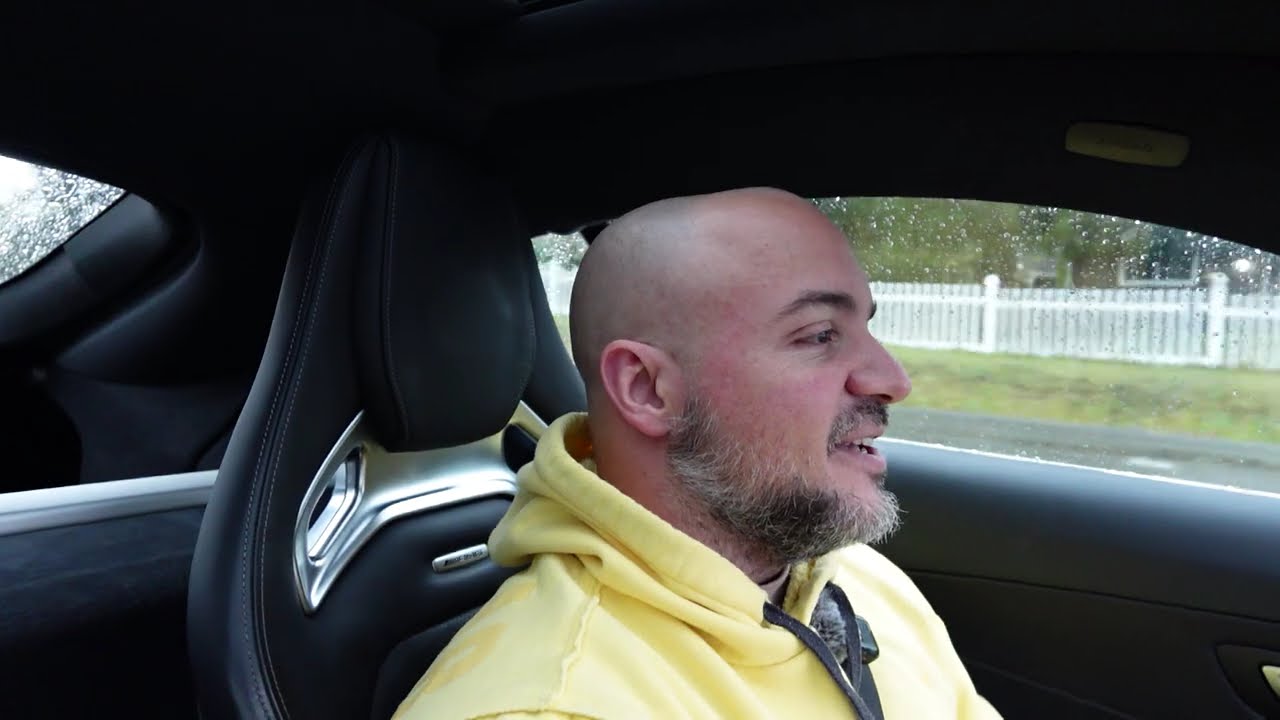
all right it's Monday November 25th I'm headed into the office I didn't do a video this morning coming from Crossfit was trying to get home pretty quick and just not focused on it looks like I got to get gas too so that's the only editing you get from me is me trimming out on YouTube when I got to get gas but we got a topic for today um we're going to be talking about burnout and uh I'm going to be going over this because I did a video recently on burn out I can't I can never remember if this is on like my my main Channel or on code commute so um the uh comment I got was like Hey like thanks like this is helpful but like could we get a different perspective on this um actually I think this was on my main
channel so uh the question was really about like cool we see it from the perspective of uh you know the software engineer experiencing burnout uh as an individual going through it um but like what about from the perspective of like a manager or a leader kind of trying to help with this kind of thing so I figured I'd talk about that uh I don't know if I have a full drive in me for it but we'll see we'll we'll come up with something and um friendly reminder too to folks like uh a couple things right so one if you want me to talk through stuff just say it in the comments let me know uh if you have scenar SC arios you want me to to chat through if you have stuff that's like a little bit more involved and like you want to do
it anonymously just message me on social media I'm on every platform I can possibly be on um so just send me a message the more detail you give the more uh context I have to respond to it so happy to try and do that and what was the other thing oh uh for this topic in particular if you're like well I'm not a manager see you later um like no don't run away so fast uh plus don't you want to hang out with me um but no seriously I think the the framing with this kind of stuff is uh I like to think very helpful for uh for even for individual contributors because if you find that you're not able to have conversations with your manager about this kind of stuff like number one like that's a really important thing to realize is that if
you cannot do it uh you should think about trying to improve your working relationship with your manager uh if you're like well that's never going to happen my manager would never talk about this stuff where I couldn't approach them blah blah um like if you think this kind of stuff is important maybe it's time for a different manager um I think there's plenty of awesome managers out there that will take the time of day to talk to you about this kind of stuff they want to support you uh it's not um it's not a red flag where they're like oh looks like Joey's about to reach burnout time to get rid of them so we can get Jo Joey number two uh no like there's there's good managers that uh will try to look out for you help prevent it when you are going through
it work with you on it so uh I I want you to hear this kind of stuff because if you're again thinking like doesn't apply to me and I can never talk to my manager about it um yeah like just a reminder yeah you can it just might be time for a different manager so okay that's the the Preamble out of the way um I think there's a couple things when it comes to burnout from from my perspective as a manager so we're not talking about me as a manager going through burnout and the other stuff I'm doing we're talking about me as a manager or you as a manager and how to look out for your team on this stuff so the first thing I mean there's a couple things we should mention here there's like prevention and then there's um sorry this turn
is pretty nasty um there's prevention and then there's like helping people navigate it right so oh my God it's going to be a bad drive today um so we can talk through prevention we can talk about okay like people are experiencing it what should we do um and I I probably I'll probably start with prevention I guess and like all things that I try to approach in management um a lot of that is uh based on forming relationships with the people that I'm managing so I want to make sure that when I'm managing a team that people feel like they can really trust me I think that that's critical because if I don't have trust and I don't have respect with my team then it's going to be way more challenging to have effective conversations about how I can help them the best right so
like I mean if if you don't if you're like that sounds like kind of woo woo wishy-washy um I mean like think about it though right like if I'm trying to explain that as a manager I want to be able to support my team as much as possible I think it's a good trait for managers you good set of actions to try and take care of and if you feel like you can't talk to your manager about important things right like that you're having challenges or that you want certain opportunities or whatever it happens to be if you feel like those conversations are basically impossible like that's what I'm getting at right like if you have a good working relationship with your manager so there's a lot of trust and you respect them then you're willing to go have or at least more willing to
have these conversations I'm not saying it makes it easy but certainly makes it easier uh it's not easy to do if you're like well I don't like my manager uh I don't trust what they have to say I don't really respect them like why am I going to tell them that I'm experiencing burnout why am I going to tell them that these are my career interests like what are they going to do about it right um that's exactly what I'm trying to avoid I want to make sure that my team can approach me about literally anything um that's like a foundation so that might sound like it's kind of generic redundant like sure okay that's a general manager thing but I want to set the tone for that because um I think without that Foundation when we start saying oh how do we prevent burnout
like it's like you can't you something you can't it's really difficult to start doing any of these other things if you don't have that foundation in place so um that's why I like to emphasize it so again if you're a manager like try spending time with your team on this stuff making sure that you are building up that relationship listen to them right give them an opportunity to speak uh it's not just about assigning them work and uh trying to rush them through it uh make sure that they know that you care uh maybe you do care and you're not expressing it well right like make make sure they know that you care and then if you're uh not a manager and you're an individual contributor like um like try try to work with your manager on these types of things and if you feel
like your manager is not shifting to like be open to have conversations like this again this is something you really value might be time okay um gas station's right there so I'm going to start this next Point um now I'm going to start lever like bring up one-on ones for this kind of thing so um I've talked about this before I'm not and it's like not like it's a I don't know like a new knowledge or something but 101's being used purely for status updates is like a little bit uh I don't want to say a waste but like I feel like if that's the only thing that you ever use them for like there's uh some missed opportunity I guess is what I would say because as a manager like yeah like it can be helpful if I hear a status update but like
we have other meetings for that or if I really need to know and I uh you know we've been chatting before and I'm like hey it's been a little bit couple days a week since we last talked about that project like I could reach out to you if I really needed to know um so when people use their entire one-on-one time every time to go through status updates like I need to interject and say like hey we should you know we should talk about something else or find ways to segue and other things um but oh is this guy going to pull out you want to come buddy there you go uh sorry I got to wait for this guy to back up so yeah if you're using it every time just for status updates not not great uh but I do like I get
a pulse on things from status updates and I'm going to clip this part out cuz I'm getting gas with respect to getting status updates on things um again 101s are one such place to do it but like team meetings as well point is I get some type of pulse for how things are going right but it's good for me in 101's to dig into things a little bit more and it's not hey hey Jimmy Joey Sally whoever it's not hey like what's the update like tell me how uh how much you know what's the ETA right like tell me tell me the the productivity you have on this like how can I get more out of you uh in terms of like just finishing fast right it's not the goal um but I can leverage 101's to be able to dig in a little bit
and ask questions about how things are going for the individual so you might be talking about similar things framing questions to start off in a similar way right getting people to talk through how things are going but the focus is entirely different the focus is not like um what is the health of this project like I should already know that as an engineering manager I shouldn't like I shouldn't be in a one1 like getting surprises on Project stuff um because if that's where I'm getting my updates on surprises is like there's probably some inefficiencies there um so um leveraging 101's to be able to dig in and be like oh man it says the drive is like ridiculously backed up there's an extra 20 minutes of traffic like right here okay as long as if it's right where the fast lane starts I might be
okay I can I can see it around this Bend already backing up oh my God okay so you're stuck with me for longer um again we're using the status updates to dig in oh my God woo this part of the highway I've been living here for a few years now that part of the highway I just drove through anytime there's like a decent amount of rain I can guarantee there's an accident there uh there was one so maybe that was almost my turn the road doesn't drain there at all so it's pretty pretty awful um good thing I'm aware that that spot's pretty crappy so the status updates I keep starting this part off not getting into it we're digging into how the individual is feeling about what's going on and this is going back to like the trust respect thing I need people to
be open and honest with me right so hey you're working on this project like how's it going people will always go into like trying to give you the the progress update in terms of like you know here's the ETA here's where we're blocked and stuff then it's like okay like no but like are you still finding this work like is it challenging or like is it challenging and uh that's why it's taking some extra time in certain places like you're learning or is it you know it's challenging because you're you're blocked on people and like that's not been a good EXP so like you know you're interested in the technology or you're interested in what you're trying to solve for here but like you're constantly blocked by other people and like that's really starting to take a toll on you so I start prodding about
these things so that I can understand like like what's this experience like for this individual right because everyone is going to be different there's going to be some people where based on what gets them I mean there's a lot of similarities don't get me wrong like people don't enjoy being blocked like I get it um but some things are are more engaging or exciting for some people and some things are like a bigger drain uh for individuals and for other people so it's really important to understand these things and try to lean into them so I want to kind of maybe make up a couple examples here and we'll talk through them but I do have a real one that I want to like uh share uh in some capacity so you know you could have someone who uh is motivated by some type of
career progression right where it's like hey this is a project that's really good because it's cross team so like you'll get to try this out and they're like awesome like that's exciting you know I've been wanting a project like this and uh but now they're working on it and they're like this project space like the technology just like super boring um I actually think I had someone that was an early in career mentee that was kind of like this actually um I think the scenario was something like hey like big project for you I know we're trying to line something up for promotion by the way I hate doing that kind of stuff like do this project get promoted tying like a single project to stuff like that is uh pretty gross um especially because uh we don't get the final say so what you're
going to promise someone they finish it and then and then you get rejected when you put them up for promotion not a good spot anyway um they were like cool like awesome this is good and then they were telling me in one-on On's uh that essentially they were like I'm looking at this project and it's like a slog they're like this is you know the most boring thing I've ever seen it was so uninteresting for them they were like but they were like losing motivation like crazy so very interesting that they were so excited for such an opportunity and then the motivation was totally gone uh I can't recall what the exact details were but truly the the Tex space they were just like this is so awful like I don't want to be doing this um from like it was boring kind of thing
like they couldn't get excited about it and then then they couldn't put energy into it which is dangerous because now this is the project setting setting them up for promotion and they can't get into it so um it wasn't like because this was a mentee of mine it's not I don't have the direct influence with this individual on this project right um so I I don't want to claim like it was my input that turned it around for them like that's totally unfair for me to say I would like to assume they leveraged our conversations and talked with their manager and kind of got things resolved but I think they were able to to kind of go back to look at things a different way and say like hey look like if this is for promotion like that is the part that's exciting for me
and like okay how can I start getting interested in some of the conversations I have to have with other people on this stuff like yeah I know the they're basically following a spec for something and I think that's what was really getting them down like it was just too much of like a no creativity kind of thing and um so it was more about like I think in the end for them calling out these opportunity specifically like hey look like there is a design dog hey look you get to collaborate with these other people Hey look like here's all these things that you get to try out that are kind of new for you that you get to practice so yeah like maybe on the tech side this particular project not as exciting as before right a little bit more prescribed but look at all
these other things and I think for them that actually like clicked for them and they were like cool okay you know what there's some other stuff like on the side that like that can get my my creativity going and stuff but like this is a good opportunity for me to focus on these other things so I think they could flip that around a little bit otherwise because this is a talk about burnout like what do you think would happen to this individual going through this project depending how long it is they're probably going to start to feel burnt out because they're like I'm just working on this thing that I don't enjoy and I know I have to get it done and it's the you know entire thing along the way is just like I don't want to be here um now don't get me
wrong there's going to be project and there's going to be things there's going to be work streams and stuff that aren't exciting like it's basically virtually impossible for for me as a manager and I wouldn't expect this of any other manager to like guarantee that every bit of work is going to be exciting for every individual sometimes I can I swear on YouTube I don't know we just got to get done right like sometimes we just got to do it now we want to minimize that that's another part of the the burnout conversations we want to minim imiz the hey look we got to get done but um it is going to come up time to time so that's you know one example another example I want to talk through is actually related to a real one that I was uh working with an employee
on and it was kind of similar actually so um now with this individual I and if they're ever watching this or listening to this I think they could probably voucher me in saying I don't promise promotions with projects what I do is I talk about how projects call out different uh either characteristics traits or opportunities to practice that contribute towards promotion there is a difference oh there's another AMG GT it's black we got to get up to it camera's the wrong way though and I'm stuck in traffic what if he gets away come on I'm too distracted I can't I can't talk about burnout stuff now there's another there's another car okay um they're escaping so with this individual it was about uh a large project and what was cool about it was that it had a lot of surface area so it wasn't uh
wasn't like hey go build this new feature that's like a complex feature it was like this project has a huge surface area can I turn this camera nice cool we made a friend okay anyway back to reality um so the idea was that in terms of having exposure uh across our our set of services let's say for just lack of better word I don't want to get into the details um this kind of project would actually be really good for them because uh there was a lot of focus prior to that in a very narrow area and they had done well in that narrow area but one of the problems was from a growth perspective it was so narrow that it was making it difficult to have like different experiences across the team especially for things like on call shifts and just like for their
level like it would be really important for them to have more broad understanding of what's going on um so for this individual it was like Hey this would be a good project for these reasons like we're talking about promotion and progression like here's a lot of areas when I say that you need to improve on I don't mean like hey you're bad at these uh I mean like these are opportunities for growth that we really should be focused on so it's a great project for it now this person was working on this project and they're doing a good job uh kind of a challenging start not their fault or anything it's a it's a big project um so they're working through it and get through some of the you know the the speed bumps in the beginning and then they're you know they're doing pretty
good and after a few because it's a really big project right it's long so after some months go by um and they're they're working on this still uh I remember being like hey like how were things going and I think what was cool was you could tell like they were feeling like I'm getting the momentum right like so now it's it's not just like a I'm hitting a wall because this project sucks and it's really difficult and it's big it was like Hey like no like things are actually kind of moving here like this is kind of cool so good news right uh and I give them this opportunity as well to remind them like I'm observing this kind of thing as well so like we get some good positive feedback on that kind of uh keep the momentum going okay a little bit more
time goes by how are things going okay like now we're kind of back to a steady state right they're making they're making progress everything from a delivery perspective looks good but um but now it's it's less exciting right because they've been on this thing for months now it's a lot of the same thing over and over and they know that they're making progress but it's like it's not like they still got work to do right and it's a lot of the same thing so that's the other thing that was worth calling out is like it's a big project but it's a big surface area but a lot of the same thing so you can imagine that from the technology side of things in the beginning interesting because it's new and then after some time you're like okay I've seen the pattern a lot okay so
now we kind of reached a steady state now as the project is reaching uh completion I remember it's like yeah okay having conversations like yeah I'm doing good Project's going good but like yeah like it is kind of like it's kind of dragging on me a little bit right and I get it it's a really long project um so I was trying to motivate them throughout it to be like hey look like you are doing good we can we can literally see the progression in terms of uh uh focus on things like where I have evidence for uh you know things like promotion criteria and stuff like that so a lot of good stuff coming out of this I try to let them know that I'm observing these things but they're reaching the end and it's like man yeah like now now it's starting to
be a little challenging for them because uh how do you how do you maintain motivation for that long now here's the kicker I had the same project essentially the same project come up on the second team that I was managing and uh I remember saying like look you've done such an awesome job on this one I know this has been a long time for you right like I get it um but I said I have this basically the exact same project uh that needs to be taken care of over here and I said I know in the beginning of this one you had a lot of input from teammates that were more senior more experienced more tenure to help guide you I said but but now look how much you've achieved right I said are you interested in leading this project for this other team
and they said yes um because I think for them they were and like that was it wasn't like it wasn't um like by the way you got to now you have to go do this right it was like it was an option I didn't try to like say hey look like you have to go do it to get your promotion truly like here is an option I'm giving you an out and by the way I don't I didn't make it very clear along the way I had been saying to this individual please let me know if you're feeling burnt out from this if it's feeling like it's becoming too much of a grind let me know because we can always try to help bring someone else in and uh give you more of an opportunity to step back from it so they had it out
the whole way and when I proposed this new phase of it they still had an out right and you you could say well Nick how do you know that they felt like they had an out like maybe they felt pressured I'm pretty confident um and it's it's going to be really difficult to challenge me on YouTube comments about it so you can believe me or not up to you but I'm pretty confident they felt like you know this is an option for them so just the heads up I I understand you can believe whatever you want to about this I'm just a dude in car talking about software engineering um so he was like yeah I'm going to do it um but what was cool about this was I set him up so that like I said he could lead the project he was leading
it already on my primary team but I set him up to lead it on the other team and that meant I said hey like by the way you don't have to go doing all the work yourself because I can actually set you up with some other of the software engineers and now you can maybe walk them through a couple of examples and then truly coordinate the whole thing so that means that you can step back from being hands in the code on this one and we can get you some other work lined up and that way you can truly try to coordinate lead it guide the other people so this is a bit of an evolution of the project Itself by the way um and in terms of of career advancement like now um you're going to be doing a lot more mentoring guiding project
management not just like you're getting through the slog of work so um I think some of those things made it appealing for him to jump into so if you're listening to that and you're going well Nick well what the hell does that have to do with burnout I wanted to talk through that project so that you could see like um my strategy with doing that was like I'm trying to find I really try to find work that's aligned obviously with business value because we're working uh but I want to make sure that people feel like what they're doing is not only impactful for the business but is aligned with their interest their growth opportunities they're challenged by it not so challenging that they can't get anything done but they're challenged by it they're learning I already said learning um so uh basically they have something
that's going to keep them engaged so has value and keeps them engaged that's what I'm trying to do all the time when setting up work um as much as possible right so with this project it was like cool you know I I explain how going on for a long period of time is going to set someone up for probably being burnt out from it but I made sure that I kept taps with them not just on the project status but with them and fortunately I feel like this individual really trusts and respects me that he could be open and honest it wasn't like oh I better not tell Nick that like I'm feeling like crap on this project because it's been months and months um it's like no like he could say to me yeah like this is getting to be a bit of a
slog now like yeah it is and not be worried that I'm going to be like oh well I guess I guess you're not capable of it it's not it's not the conversation right so um keeping tabs on individuals throughout the project giving them an opportunity so this is a maybe something I'll call out more specifically uh cuz I I did talk about it but I think it's important to give people an opportunity out um and I'll explain this a little bit because you might saying well that seems like it's really ineffective like now you're going to have to on board someone else to lead a project or whatever and like that's time lost it's and so yes and no right a couple things to think about one is uh maybe in this situation maybe I could let this person step back from being so Hands-On
and I could uh take a little bit longer of a time to on board someone else and they could co-lead it or uh start by co-leading and then phase out the first person to say hey thanks for thanks for all of your awesome work uh it's actually a really good opportunity for someone else to come take this right so we can we can find these opportunities and make it happen and be positive for both individuals um sorry just checking the highway says a lot of traffic but so that's that's one thing um I said co-lead I lost my train of thought there um it doesn't have to be co-lead like if I needed to pull the rip cord it would be like cool how do I transition someone out right um I would hope and it's not like their fault or anything but I would
hope that I could do a better job to um to catch that kind of thing sooner right so if I in my opinion if I wasn't doing my job well wasn't doing a good job like keeping tabs on things um it could reach a point where someone's like Nick like I got nothing in me like I'm done and I'm like okay we got to like we got to get you out of this um so back to like well isn't that a waste kind of thing like well think about it this way what's what's a bigger waste if I have someone who's on a project a big important project that they're leading and now they've run completely out of steam they're done right if you've if you've never experienced burnout before you might be kind of like well I don't get it like why don't you
just work harder like yeah um but like it reaches a point where you're like it's literally feels like depression right uh and I don't mean to minimize depression for people that have experienced depression but I mean there's a lot of similar characteristics where like there is no motivation when you're depressed it can be ridiculously hard to do the most simple things um it can feel like you know I can't even brush my teeth I can't even shower when you're depressed right uh and you can have similar things happen when you're burnt out it's different for everyone right but um you could be like uh a lot of the things you'll see like are related to work right but you know um you're you can't focus you you're procrastin because you're just like I just don't I don't care I don't have the motivation so if
you think about it like what's what's more impact in a negative way me taking the time to on board a new lead to a project or me basically burning somewhat out until they're right in the ground the project is grinding to a halt near the finish line and then that person's screwed because now they're going to have have to take time recovering from burnout if it's not obvious um the the ladder recovering from burnout and grinding that project to a halt is going to be significantly worse so I will as much as possible try to opt to swap people out as necessary and then try to create and turn that into an opportunity for multiple people you going to let me in no this guy will thank you so much sir or Madam um okay so can't remember what I was talking about before that
though so making sure that people can be swapped is important it's uh it might feel like a bit of a a Slowdown but like I think it's a it's a smart move and uh the other thing that's probably a generalization from that story that I I think is important is like um is truly like Crea make trying to find Opportunities along the way right so kind of similar to the first story I told with the the early in career mentee uh if you can find ways to re excite someone about something that can be helpful uh it's hard certainly not trivial but like if you can then that can be helpful uh you might get a little bit more oomph out of them uh they might say okay like I can see why that's actually kind of cool like give them something else to focus
on even though the work is very similar okay so that's some ideas about burnout prevention but we started to kind of get into like the the burnout recovery if I can call it that um so it's I feel like it's a bit of a spectrum right so when we talk about burnout like I think at all points in time we're on like some amount of like a spectrum of some amount of burnout and once it reaches some critical point that's where like you know uh exponentially takes off in terms of negative impact so we want to make sure that people aren't hitting that part and uh I feel like it's easier to sort of recover uh from your Your Capacity like with respect to burnout when it's earlier I don't know if I'm doing a good if I could draw a picture for you right
now it' probably be easier even though my pictures are terrible um but the the further along burnout gets the harder it is to recover from maybe is the uh the way that I would put it so keeping a good balance early on is is is critical but someone let's say they reach burnout they've reached this point where they're like I'm screwed now this can be interesting because um let me just merge here there are situations especially as a manager where um someone on your team might be burnt out and it's uh has nothing to do with your time working with them interesting thought how is that possible well if they are new to the team right if they're new to the team and they've already reached a point of burnout now they're in a burnout State they've been brought onto the team now you need
to work with them to get them out of burnout uh there could be stuff that gets people burnt out from outside of work just as a heads up right um it could be that there's so much going on in their life that it's now starting to take a toll on them at work so it's almost like their capacity to be able to focus on things and find like enjoy like I don't even know if it's enjoyment maybe that's the wrong word but their overall capacity is just like at the Tipping Point and then a little bit more comes up at work and now they're like I'm I'm checked out like I'm done um so it's not necessarily like the examples I gave earlier just as a heads up uh it's not oh you're on this project that I gave you like so sometimes it's not
obvious so we want to prevent it I think I talked earlier on about trying to have conversations with people setting yourself up so that you can have those conversations and detect it but now someone's experiencing it what do we do well my strategy is to lean into the people side of things and um people might not agree with this but if you're watching this it's I assume because you're interested at least in my opinion doesn't mean you have to agree with it which is fine but I lean into the people side and what I mean by that is like if people are absolutely burnt out and they need more time as in like look like I can't focus at work I can't I can't get done even the most simple stuff where's that person coming from um cool take a day off that's fine right
you're if you're not focusing at work you're not going to be productive that's okay take a day off oh I don't have vacation days I don't care take a day off go relax go do something um it's just it's it's not going to get better like first of all you're not going to be much value if any if you're especially like if people are remote like I don't blame you you're going to be checked out you're you're already burnt out you're going to be sitting at your computer you're going to be checked out okay like I don't want you just sitting at your you know sitting at your computer with Outlook open staring at it uh or Visual Studio open and you're like I can't type anything because I can't even think just turn it off just turn it off go relax go back to
bed go do something get your mind off this stuff right um again you might say well that sounds ridiculous like you can't keep teams going like that it's the point like my my goal is not to keep a team going like that I don't want my whole team being like hey Nick I'm also burnt out like can I just take the day off no um the reason that this ends up working well in my opinion is that like I said Foundation of trust and respect um I have only ever had in my career so far it's been like just over 12 years of managing people I've only had a few people I feel like they're trying to take advantage of that I say few probably two think probably two people in my entire career have I been like uh you know I think I think
you're trying to gain the system here uh and that means that an overwhelming majority of people are understand in that like I will give them that flexibility because I want them to be successful I want them to do good work I can't even turn here how is this going to work sorry you can't see the road but basically the turn lane I'm into turn right is completely backed up um so yeah like the point is that like I'm I'm giving people that space where they can disconnect a little bit they're already burnt out they're not going to be doing much good at work because they're not working so give them that space I let them know like hey like I hear what you're saying I hear you okay let's talk about it like that's work on me now to go make sure that if they're
working on projects like how do I get these things back on track right how can I get them help so that their projects aren't screwed over but I will give them that space and I think you know it's it's weird because I understand on the surface it feels like that's not a good move for business but uh I think it's I think it's necessary because it only gets worse and then so giving people space number one that that also reminds them like hey look you came and talked to me about this and guess what you didn't get punished for it right because if someone were to be like I'm burnt out and like you know that's why it's been really hard and then I go oh like hm interesting well maybe we should talk about like firing you like or whatever laying you off whatever
it happens to be like that's not good I want people to be able to trust me to come talk to me about this stuff I will go figure it out that's my job my job is to enable people to do their best work possible so if you cannot do your best work possible because you're burnt out take the day off now one day off doesn't fix things okay so sort of the last part as I pull into the office one day off doesn't fix things but um but what's important again is that now people go oh I could talk to Nick about this and like and he didn't bite my head off for it and he let me relax okay so great okay now they come back to the office okay they're not going to be fully rejuvenated it's one day and they're experiencing burnout
one day is not going to fix it but what happens now what happens now so I basically work with them beyond that point oh man that person parked like an absolute idiot oh my other spot's taken oh come on so I work with them when they come back to try and understand something obviously went on for too long or there's something else going on like what did I miss where was my blind spot can't blame myself either sometimes a lot of it's out of my control but how can I work with them to understand what they're experiencing and then make sure that I can give them opportunities to put them back on track so uh for some people they might say look I've been juggling all these work items for too long okay great okay let's uh let's get some of them wrapped up you
need you need me to work with you to hand them off to someone else whatever that needs to look like like let's talk about these things and like that's my job now that's that's okay it's literally what my role is all about so um I think people get fearful of that because they're like oh now it's going to be a problem and like it's going to look bad on me like no um it's if this kind of thing happens all of the time and you cannot manage your time properly and like it's because you were taking on all the work and like maybe a different story there but if you're just going about your stuff and uh you're not like hoarding work items trying to do a million things in parallel and then being surprised that you're burnt out it's like it's a natural thing
that will sneak up on people so um yeah my my strategy for working with people that are going through burnout is to give them space to make sure that when they're feeling comfortable to talk about what they're experiencing that I listen to that and that we come up with a strategy together to make sure that we can address it so sometimes it's like hey you need some extra time off cool take it that could be hey you got too many things going on let's figure figure how to split them up could be a million different options but the point is that I need that awareness and I need to give people space so hopefully found that helpful and I will see you on the drive home take care
Frequently Asked Questions
These Q&A summaries are AI-generated from the video transcript and may not reflect my exact wording. Watch the video for the full context.
- How can engineering managers prevent burnout within their teams?
- I focus on forming strong relationships with my team to build trust and respect, which makes it easier to have honest conversations about burnout. I spend time listening and showing that I care, so team members feel comfortable sharing their challenges. Prevention also involves understanding individual motivations and aligning work to keep people engaged and supported.
- What role do one-on-one meetings play in managing burnout?
- I use one-on-ones not just for status updates but to dig deeper into how individuals are feeling about their work. These meetings help me understand if the work is engaging or if there are blockers causing frustration. By having open conversations, I can identify early signs of burnout and work with the team member to find solutions or adjustments.
- How do you handle long projects that risk causing burnout?
- For long projects, I keep regular tabs on the individual's motivation and progress, encouraging openness about any struggles. I offer options like stepping back from hands-on work or co-leading to reduce pressure. If needed, I transition responsibilities to prevent burnout, which ultimately protects both the person and the project's success.