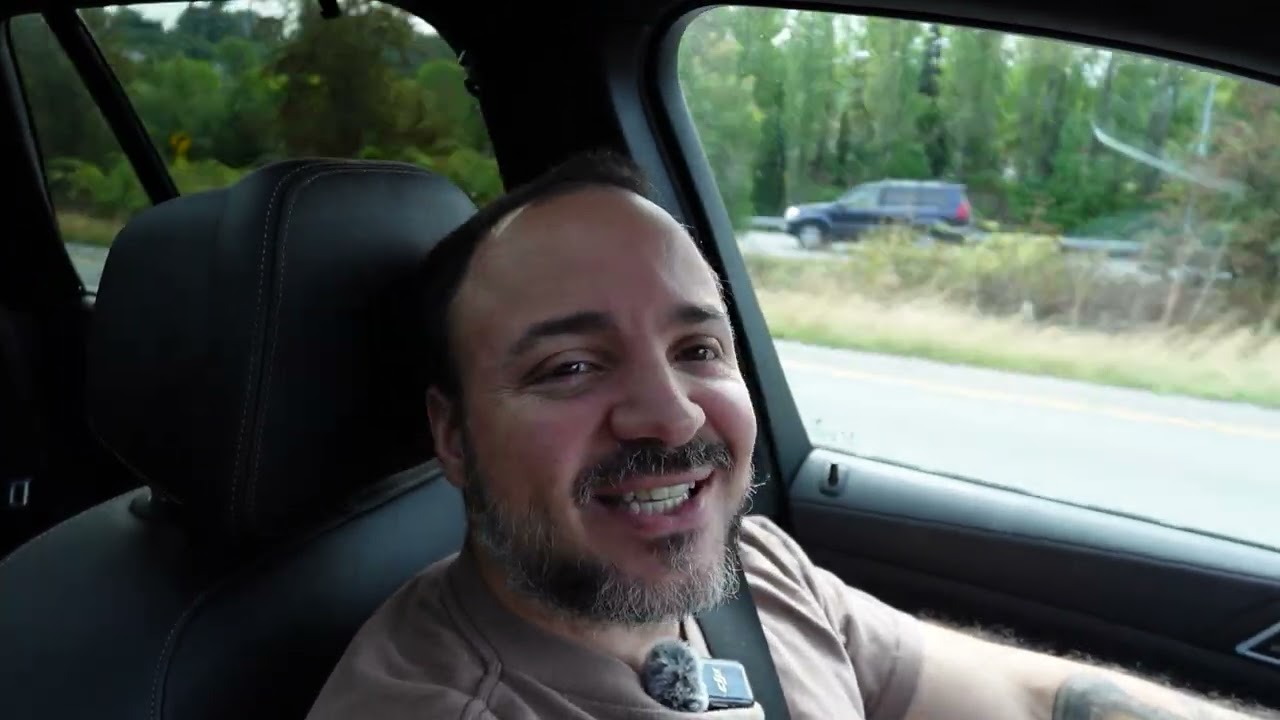
Had an awesome morning podcasting BUT also had a hiccup with a power failure. Hang out with me on my drive to work!
📄 Auto-Generated Transcript ▾
Transcript is auto-generated and may contain errors.
all right we're testing out the new mic here I'm too short for this car uh just picking up my my wife's SUV from the shop to have the air conditioning fixed but they couldn't get it fixed and it needs like a part that's on International back order which is exciting and uh they said it could even it could be like up to like 12 months to get the part which is absolutely ridiculous um not their fault obviously it's uh independent shop they're saying they're pretty sure they heard BMWs having some issues with the with these air conditioning units so they're probably out of stock everywhere because everyone's running into this so yay but yeah this is uh one of the other vehicles this is our our X5 uh sort of it's a weird between it's not like the M competition but it's like a x5m
550i uh so has the V8 twin turbo which is fun it's a little quieter than the uh the AMG but it moves um I like fast cars so yeah the uh it'll be interesting to get I want to film out of the the TT my my ttrs is my my fun car so uh it needs I got to do a little bit more to it it needs I just scheduled the oil change at the shop I was at uh cuz it's well overdue for that um it needs to be runed cuz it's absolutely in shambles uh like the tune the car drives but like I think it's permanently in limp mode right now so like whatever I can get up to speed and stuff but I don't think I can really go over 4,000 RPM so if I'm not driving stupid it's fine um but
the whole point of having the car was so that it was fun to drive so anyway um I will try to make sure that I get some filming out of that when that car is all ready to drive but usually the AMG is the the car that I take around but uh I got to do the the car pickup and drop off stuff when when the cars need work so that's what I'm what I'm doing today so just heading into the office now uh this morning kind of got through CrossFit so brutal again it's taken me is it going to take forever for me to get comfortable with it that's okay um and then after CrossFit I had a uh I recorded a podcast which is awesome I'm I'm going to spend the rest of my my conversation today talking about this cuz I I
don't I guess I didn't really know what to expect I I enjoy doing the podcast interviews where I I'm getting software developers on and talking about their career Journeys and other things that they like to focus on so you know I always enjoy it but I don't I didn't know what to expect for this one and um and I was completely I guess like I don't want to say Blown Away in the sense that like I had low expectations or something that's not my intention but I felt like I left that conversation learning way more than than I anticipated which is which is great so um I assume if you're watching this channel that you don't mind listening to me talk because that's what I'm doing so if uh if you don't mind that uh my podcast go up on my primary Channel like on
dev leader YouTube there's a podcast playlist there uh it is on Spotify as well and like apple music and literally wherever there's podcasts hosted so uh if you want to check check that out and uh you know have it for your drive or wherever you're listening to this if you want to listen to those podcasts it's not just me rambling it's other people uh and I've had good feedback on them I think the the folks that come on really enjoy it that's been the feedback maybe maybe they're lying to me I don't know but uh I yeah I I always enjoy them so this one today this morning was super cool because uh when I have people schedule some time with me I I have a little section I don't do like intro calls because it I just simply don't have time for it and
I'm not saying that like I'm I'm better than other people like I can't make time for it I just mean that I'm doing a lot of things and I don't think that we need an intro call to have a good conversation and I understand if people are uncomfortable because they don't know me yet that's totally fine but I I honestly feel like we can asynchronously sort things out and it's been working very well so I don't like the intro cost before getting on the podcast because the couple of times I've done it if we schedule like 15 to 30 minutes the conversations go like an hour to an hour and a half and we might as well have just recorded the podcast because the podcast itself is entirely conversational my mouth is very dry I'm dying um so I just stopped doing that so in
in the the form when people register um to schedule a time I asked them like hey like let me know the different things you want to focus on because it's just a conversation but I'd like some direction and I want to make sure the people that come on have an opportunity to like to talk about the things that they're passionate about and especially if people have like books or courses or other things that they're they're launching or they're you know they're selling and promoting like I want to give them that opportunity to be able to talk about it I don't have like maybe the maybe one day when you're watching this the numbers are different I don't have like a million followers or anything so it's a it's a modest Channel and I just feel like any exposure for people is helpful right so like
that's the least I could do is try to to offer that so in the I'm rambling a lot but that's the whole point of these right um in the notes uh the person had left uh one of the last things I mentioned was like you know basically taking skills and experiences from other careers into software engineering and she had said actress and I was thinking about this so her her handle on on social media is Rita codes uh and I believe her last name is igus so Rita igus was uh the person that I interviewed this morning and I know her from Instagram and this is just going to be like my my bias for my my Instagram feed I know no that on Instagram there is a lot more uh I guess like more frontend developer focus and again I'm saying that's my bias
for my feed I'm not saying statistically that's how it is but that's what I notice um the posts are a lot more generally like aesthetic creative like it's not just like a I don't know like a system design diagram and and a little caption it's like I got to move over here um it's it's usually like people are making like skits or they're doing something aesthetic like showing off their desk and stuff so just a kind of like a different I'm going to use the word Vibe different vibe that's what the the kids are saying so it's a different vibe on on the gram and uh so I know I know Rita from on Instagram she has really good like content and there's like sketches and skits and I realized like duh she like her background is she was an actress she had a theater
company she told me for 8 years so it totally makes sense now and she wanted to be able to kind of talk about this uh sorry I'm just double checking this take me on the right Highway and uh in my head I was like obviously like happy to talk about different career experiences going into software development cuz I think that's super important but in my head I was like okay I wonder I wonder if the direction we're going to take on that is the actress part is is from her content creation like if that's what her focus is going to be which is fine but that's what was going through my head is like it's going to seem very relevant when she's talking about how she shares software engineering information so I was like cool like that's that's what's up here and we start going
through her experience and she's telling me about this theater company that she had which I I didn't know so super cool she said you did that for eight years like basically every every week she described it like in her words it was like it's like SNL so Saturday Night Live Without money and I I laughed at that I thought that was funny but you know being able to put on a performance that's extremely bright um for for people that's like an hour to an hour and a half long every week uh like sketch comedy um I don't know like it's a lot and she did that for eight years and it to me the way that she described it was like it seemed pretty chaotic but she was working and living with people that were like very passionate about doing this so I thought it
super cool story and kind of like a good takeaway from that was like it was hard work right it's hard work it's chaotic and she's stuck around doing it because she loved doing it but the other part to that is that like when you go through these periods where you're just like working your butt off it's almost like you don't have a maybe in the moment you don't have like a respect for it because you're like you just got to do what you got to do but honestly being able to do that kind of stuff shapes how you're able to get through uh different kinds of work so uh I can I can relate to that I know for me personally from being before Microsoft being at a start a company for like eight years I know that like if I need to grind through
something and there's a lot of pressure like I don't like that feeling but I can I can do it and it's because like I've just I've spent so much of my career doing that that I can flip that switch and like go into like high productivity mode I'm not saying that I recommend that for people I'm not saying it's like it's the best way I just know for me like that really works so when it's almost like under all of this pressure all of a sudden like productivity just like skyrockets for me so I thought that was interesting that she's describing this before she gets into any software development topics and uh from there she starts saying like so she's very curious right which I think is a very Key software engineering uh like trait to have being genuinely curious she said she likes problem
solving and she's curious like those are two things uh aside from like being able to communicate effectively like two things that I think you just need it's not math skills it's problem solving and being curious so she has both these things and she was telling me that she was she like go by a couple of ches on like almost on like random things and just go learn cuz she's curious and she tried coding and was like I like this like this is cool so anyway um we're going through some of this conversation she's telling me about her career and I again like I want to bring it back to some of like the acting and The Improv stuff because she was saying how she was going through this learning process and it was taking her a couple of years um and I think that that
was a good acknowledgement because again nothing against boot camps I did not go to a boot camp but I think a lot of boot camps are structured to be like a little bit predatory this person needs to figure out how to move Lanes here come on buddy you got your signal on there's a lot of space um but I feel like yeah I and I say predatory because like the marketing tactics right like we'll we'll do it better we'll do it faster and the reality is like you you're not going you can't promise anyone expertise in a short amount of time it's it's false um so I feel like there's a lot of that just in the marketing so she was saying that she was like self-taught not even kind of like before a lot of boot camps started becoming really popular so it took
her like 2 to 3 years and my question to her was like when did you feel comfortable to start like I'm going to go get a job as a software developer versus staying at the theater and she said I've never felt comfortable right like it's not oh I reached some point she's saying literally 3 years I'm getting in the fast Lan um zoom zoom so yeah never felt comfortable and we were talking about that a little bit more and she was saying like she attributes it to like improv and acting and she also I thought this was a really interesting thing that she brought up a couple times this idea of like having like a child's mind and like you know when you're a kid and you're like make believing and pretending like you're just playing and you're kind of like you become a character
you do these things like we're we have we're creative we have good imaginations and like we just grow up and all of it goes away but she was saying to like try and embrace that so the take away from that part was you know like I didn't feel comfortable at any point but she's like but I just did it anyway so she explained this opportunity she had uh where I guess her brother-in-law had kind of was like Hey look you're going to you're going to go apply to this place and she's like no no no no and he's like you're going to do it and kind of like yeah like what's the worst that's going to happen they say no and like okay like basically the upside is huge and the downside is basically zero it's low effort low low risk on the downside and
it's only like awesome opportunity on the on the positive side so um but yeah I thought it was cool that she was like she kind of tapped into this like what's the worst that's going to happen like she's kind of used to to doing this kind of thing from all of her acting and theater experience like kind of helping organize and run this theater so what was the next part I wanted to say there was that um oh and then like so that was like whether or not you're when did you feel confidence so never and then then the second part I kind of combined them sorry this is what happens when you're when you're driving um but was this idea of like what made you take that leap to actually go send in like cuz she she basically wrote them she didn't apply for
a job she wrote them and said I'd like an internship so like how did you get over that and yeah that was kind of the second part to it so number one was she said she didn't have confidence and she framed it almost like I still don't which I thought was interesting like I've never been confident and then the second part was like taking this leap of faith to be like you know what's the worst that's going to happen here so I I wanted to repeat that again because if you watch the podcast episode like you'll see it you'll hear it um I think it's a a key takea away from that but I just wanted like another this is a smaller platform but a platform to say it like we hold ourselves back so much um I'm absolutely guilty of this I'm not saying
it like like look at me doing like you know not having that issue I 100% have that problem I wrote about it my one of my last live streams was about that I am very like guilty of getting complacent at things and just sticking in my comfort zone and the last thing I wrote about in streamed about was like that's my biggest fear is having so much time go by where you're just complacent it's scary because it's because it sneaks up right you get comfortable and then like years go by literally years can go by and you're just comfortable and then for me the the scary part is going man like what if I would have and you can't play that game CU it's never a fun game to play what if I would have it's only it's only downsides um but like yeah I
I don't want to be in a position where I'm like man if I would have then I could have had these different experiences so if that's a fear of mine that I don't want to be in that situation how do I get ahead of it and the answer is like there literally a chair hanging off of the the center of the highway amazing uh I'm going to keep doing stuff like that by the way but yeah we hold ourselves back and I don't want to be in that position so we have to get ahead of it and you have to kind of force yourself to go into these uncomfortable situations you have to take like risks but like are they really risks you're just putting yourself into a spot that's like maybe you have to learn a new skill or work in a new domain
like the risk is that you have this uncomfortable feeling um if you're watching this I'm assuming like a software engineer or like a you know related kind of uh position right like odds are you're probably pretty smart person you like problem solving you're pretty driven like stereotypically that's like a a combination of things right um like it doesn't it make sense like we should be doing that uh and I again I'm saying that not like I'm good at it I'm not not I think it's kind of funny that like for me to say it out loud I'm like yeah it totally makes sense like why can't I do it then why can't I trick myself into it I got to move over here I don't like this part of the highway this is where I get out of the fast lane and have to move
over like four lanes and everyone has the same idea so um I got to got to think and not uh not talk sorry you got to deal with it but yeah it's it's just it's way easier said than done right and i' been I've been fortunate that in my career I've had what I call like forcing functions that that make me switch or make me be exposed to something new and every single time it's like when I reflect it's an amazing experience like you know like life changing career changing and I I truly want to find ways to lean into that more now back to Rita she's definitely an outlier um like she says that she believes she's an outlier I personally think so I don't again I don't have stats on these things to be able to say whether or not that's the case
but um truly I think I don't think that it's common for people to want to get uncomfortable but for her she was saying like she she almost like needs it so when she starts getting complacent or comfortable she's kind of like okay well what's next like how do I get out of my comfort zone and I would love that I would love to be in a position where I make myself do that I just I don't have that um and I don't know if it's something you can train or convince yourself uh I I don't want to give up on it so I I'm trying to talk about this more so that I can like remind myself I guess is how I would say it so that was the first part of our conversation I thought again was just super cool to kind of hear
her talk through this cuzz I didn't really think about things this way and no this guy wants me to pull over I'm not doing that sorry buddy I got places to be um plus it's on an on ramp like no I got to get up to speed get on the highway we're up to speed um sorry the second part that I wanted to highlight from our conversation was this thing that she does when she's trying to get into a new code base or new to a team and I feel like this is tremendous advice because I've had a very difficult time articulating this to people and I'm I don't think I'm going to do a good job of it still cuz it's kind of still uh I don't know it's still cooking up top here for me to try and figure out how I I
want to articulate it but she explained that like when she gets into a new code base or something new project area she's like a lot of people seem to like get overwhelmed by these things it's almost like they want to understand all of it right away and then you can't even take the first step which I think is true like people are like H it's a lot like and then and then the first thing you do is you're like well I don't how to take the first step I'll just ask for help right and this is this is the common pattern that she talked about it I've observed this and try to coach people around this but like you don't want to just like ask for help to get the answer because that doesn't teach you anything and I coach uh not only the people
asking the question like this but also the the more senior people on the team to not give answers that are like oh just let me show you the code let me just do it for you because that doesn't doesn't help long term it might sound obvious as I say it but like I want you next time you're at work and people are asking you for help or you're asking for help see if you're doing the thing where you're just looking for an answer or you're just giving someone an answer because we do it a lot so she was explaining that when she gets into a new code base or a new project she'll like she'll try to look for like similar patterns right so she's kind of building a mental model which I think is is a good thing to do is make makes it
more relatable and then starts writing code and she's like you might be working in a spot and like I'll be putting code on the screen and she's like it might not even compile or whatever but like just trying to organize her thoughts and how she's going to make this all work obviously this is situational so like the advice that she's giving is not applicable for like anything you want to go develop but she's talking about how she's literally trying to form her her algorithms if you will right like here's the things I'm going to try to use and she gets to a point where she's like okay like I've tried a bunch of stuff it's not working but cool like I at least know my thought process then she'll go ask for help then she's in a position to say to someone let me walk
you through all the stuff that I've done let me explain to you why I did it now can you help give me some guidance here and this like this flow I think is is the way right and I say that because you forc yourself to go through this period of like I have no idea what the heck I'm doing I don't know by the way is this I didn't realize if this was touching me in this mic hopefully it's not too noisy with my beard touching it does that look good um yeah the uh this period of being uncomfortable and like I don't know what I'm doing and like trying things out like that's that's where you're learning that's the spot I think between failing at things as in like you're trying it it's not working and then you you find the solution failing at
things and then kind of having this like little struggle period like that's where you learn and people are always looking for shortcuts and they're trying to avoid that uncomfortable period of being like I don't know what I'm doing I don't want to like kind of fumble around through stuff but like spoiler alert literally anyone who is good at that developing software has had to do that that's how they got good at it it's just how it is so I told Rita in our interview I said I always tell people there's like no shortcut for becoming an expert at something right like doesn't matter what the skill is software engineering is no different so there's no shortcut but I said if I had to come up with a shortcut it would be basically like summarizing this experience right of stop looking for a shortcut to avoid
these uncomfortable situations and basically start having those uncomfortable situations because instead of avoiding the learning opportunities like you don't realize that's what you're doing is avoiding learning opportunities put yourself into the learning opportunities jump into them struggle learn about it get better repeat like that's the shortcut is accepting that you need to be doing that so I'm almost at the office I'll get off my soap box in a second but yeah I think that was a that was a huge takeaway so I think I learned a lot talking with Rita I'm super excited for that one to go live the other thing I'll mention cuz this was super embarrassing for me was that we were like I don't know like 10 minutes into our call or something last it was like I I tried to make a mental note like 8 minutes in all of
the Power at my house went out everything everything in my house just went Boop offline and then came back on instantly but that meant that we're recording this podcast and like I'm a total stranger to her she lives in Spain so it's like between 5:00 and 6:00 p.m. for her it's like 8 8: to 9:00 a.m. for me we're talking for 8 minutes and I just disappear here you can imagine she's probably like what the heck what did what did this guy just con me into doing here this is so dumb I'm sure she wasn't thrilled about that but she's stuck around I'm so thankful because I thought it was a great conversation in the end so I'm going to try to park This SUV and sign off here at the same time maybe I'll do one of those things at a time you can
watch me Park first so I'll do that at the office here I'm going to park this X5 in a compact spot because that's what we do every spot here is compact we'll get that in to there perfect beautiful and I think that's it folks um so yeah I'm pumped for that I'll do another one of these on my drive home thanks for tuning in I hope the mic was okay this is my first test with it so if it totally sucks I'll make it better next time but uh the next one is going to be equally as bad volume wise audio wise if this was bad or it'll be equally as good if this was good I have to listen to it once I'm home and then I'll try to make adjustments so sorry but thanks for tuning in um if you want to check
out the podcast stuff it's on my main Channel if you want to check out my my educational stuff that's also my main Channel Dev leader uh and yeah thanks for thanks for tuning in and hanging out with me so I'll see you on the flip side
Frequently Asked Questions
These Q&A summaries are AI-generated from the video transcript and may not reflect my exact wording. Watch the video for the full context.
- How did Rita's background in acting and theater influence her approach to software engineering?
- Rita's experience in acting and running a theater company for eight years taught her hard work, creativity, and how to handle chaotic environments. This background helped her develop traits like curiosity, problem solving, and embracing discomfort, which are valuable in software engineering. She also uses her acting skills to create engaging content about coding.
- What advice does Rita give for getting comfortable with a new code base or project?
- Rita suggests not trying to understand everything at once, as that can be overwhelming. Instead, she looks for similar patterns to build a mental model and starts writing code to organize her thoughts, even if it doesn't compile initially. After trying different approaches, she asks for help, explaining what she has done and why, which leads to better guidance and learning.
- How did Rita overcome the lack of confidence when transitioning into software development?
- Rita never felt fully comfortable or confident in her software development skills, even after years of learning. She overcame this by taking a leap of faith and applying for opportunities despite her doubts, motivated by the idea that the downside was minimal and the upside was significant. Her acting and improv background helped her embrace uncertainty and take risks.