This viewer wanted some perspective on soft skills vs technical skills in a software engineering interview. What's a higher priority?
📄 Auto-Generated Transcript ▾
Transcript is auto-generated and may contain errors.
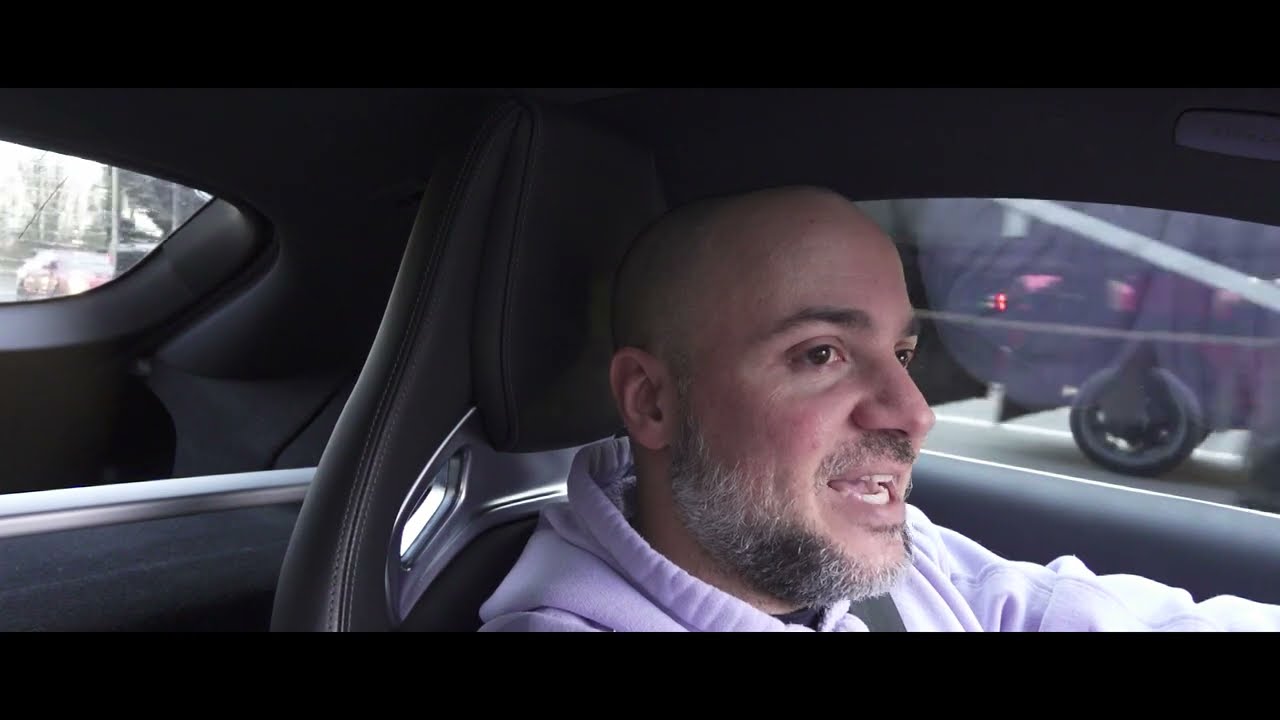
Hey folks, I am stuck in traffic, so I'm going to respond to a comment. Um, I was just going to type a response later, but I'm literally trapped here, which is insane. Um, so uh the comment was around um candidates and how much value is placed on sort of like uh interpersonal skills, soft skills versus things like say like problem solving or more technical. I think it's a really good question. Um, so thank you for asking this in the comments. I put my phone down, uh, so I'm not, uh, seeing who left it. Uh, I will comment back to you and let you know that there's a video response coming, but um, really good question. I need to start by saying this is very much obviously my own personal opinion. Uh, I can't sit here and pretend like I have stats that say like, you know, 63.7% of hiring managers would say X.
I don't have I have no idea. Uh, I can speak from my experience, though. Um okay so the this person went on to say you know if you have two candidates and one is like you know uh maybe more uh more inclined on the soft skills versus uh some of the other technical areas versus another candidate who is maybe uh less inclined on the soft skills but very you know good problem solver technical skills. if you have this kind of dichotomy. Um they they go on to say that like obviously the best candidates would you know would be excellent in both areas. Uh if you don't have that though like how do how do things shape up?
Um and I think in part of their comment apologies cuz it's not directly in front of me but I think in part of their comment they said like you know even if you have someone who's really good technically if they're like a little bit more uh challenging to work with like how does this get factored in? Um to me personally I very much put emphasis on soft skills and I say this because uh because of I think my management and leadership style that if it's more on the technical side of things uh I am much more inclined to spend time with people uh investing into like how do we skill you up? How do we give you good opportunities for you to learn and practice and and get better at all these things? Um, to me, there's a lot less friction in that. Um, and I and I mean it genuinely.
Um, for those of you that that don't know, like if you're new to the channel, uh, you know, I give you a little bit of background so you understand like kind of where I'm coming from because I'm just some some random bald dude in a car stuck in traffic. Um, I've been an engineering manager for 13 years now. uh I've you know the first eight years of being an engineering manager I was also a uh you know software developer contributing to the codebase with my teams uh now that and that was at a startup we grew from around seven people when I was there to around 250 by the time I left um they went on to go public they got bought back to private for $2 billion they were pretty successful I got to take all the credit for it just kidding but um
got to go through some rapid growth so got to see a lot of really interesting things I've been working at Microsoft now for the past uh five and a half years now um as a principal engineering manager. Um so that's that's a bit a bit of background for me. Uh now with that said in my time as a manager and you know kind of looking at it from two perspectives. one is like as a as a person within a team and then as a person managing teams um having people like I would I want to clarify what it means to like to not have soft skills versus um your soft skills are a problem. Okay. Uh because I think this is a very important part when I discuss what this person's asking about. If someone is like very technical, but they're not necessarily outgoing, maybe more like pretty introverted.
Um, like this can all be fine, right? Like I'm not saying that everyone has to be extroverted and like overcommunicate everything all the time, blah blah blah. Be excited about presentations and all this kind of stuff. Like absolutely not. I don't have that expectation of people. But that's a difference between like maybe you haven't pra this guy is not going to let me in. Okay. Clown lane ends, buddy. So, I gotta go somewhere. I'll let I'll let you go ahead. Clearly, you're uh in more of a rush to sit in this traffic that is an extra 33 minutes. I don't live 33 minutes away from where I started. So, it's kind of silly today. Um, so there's, yeah, there's a difference between maybe not having like, um, soft skills that are like, uh, excessively working in your favor. Like I think some people are really good at almost like it it's like they're going out of their way to like to help overcommunicate, reach out to people.
Um, and I don't mean that in like a distracting way. I mean like they have really good soft skills. They can, you know, communicate to any audience. um uh like it's almost like natural for them to go do it or they make it seem natural. Whereas maybe someone it's just that they're they're sort of lacking soft skills but it's not in a destructive way. Okay. So they might not be going out of their way to overcommunicate things or um maybe they're not uh the person who's like leaping into like to mentorship opportunities, but if you were like, "Hey, can you help out the more junior person on the team?" like they're very good at it, like they're fine to do it. They're just not like proactively going out of their way for these types of things. So, if you have a very technical person that is like able to do those things, they're able to lean into their soft skills, it's just that they they don't naturally do it or they don't proactively do it.
That's still totally fine. And I'm like I'm okay working with people like that, right? like that's that's okay because those that's a type of thing where I can say hey look like there's an opportunity here where you can do more of this and it would be helpful um obviously have the technical side down if you flip it and it's like okay maybe someone is they are proactive uh they're reaching out to help teammates uh they might not be the technical expert but they see a teammate stuck and they're going to lean in to help with them uh or you know they're not the the the fastest coder like that's a terrible measure I suppose um they're not the person who's like completing their features the fastest or the most in-depth, but they're still like they're still good. Um but they're really good at communicating timelines when they're stuck collaborating with other people.
Like so we've kind of inversed it. like I'm happy to work with those people too because I can coach them on like hey how do we find good opportunities that align with your technical skills and kind of push you um in a in a constructive way on that path right both sides of that I'm happy to work with and I wanted to call that out because in either case it's not that someone's sort of soft skills are destructive I think when I am interviewing people one of the things that I am looking for are um really around red flags around how people interact with their teammates. So if they're constantly blaming others, they're not taking responsibility. Um you know any we're talking about like different interactions like if any problem comes up and it's always other people like oh like it was this person on the team and like they they were clearly dumb or like it was hard to work with these other teams.
Don't get me wrong, you can work with like difficult people and that's totally normal, but I don't want to see that. Um, it's always blaming other people for for challenges, right? It's always someone else. You had to come save the day. Um, you have no faults. Like there there's certain things that I'm trying to look for in conversations where I can go ah yeah like that would that would be a red flag to work with this person because I like almost at all costs I need to prevent that kind of uh person from coming in and I say that because that is the most destructive hire that I can possibly imagine based on my own personal experience. So it's one of the reasons why I say soft skills are so important. It's not because um like I I do strongly believe that at you know at least midlevel and beyond like your soft skills are going to like continue to play a more and more and more significant role.
And the reality is like on a regular basis you're going to be practicing all of your technical skills, right? It's almost like by doing work, you will continue to be forced to practice that stuff. And I think that some people can try avoiding soft skills, right? Or they're not willing to try and improve them. And that kind of catches up with you as you're trying to become more senior. But um the other reason I I say this is because if you are the kind of person who may naturally fall into this category of being like a little bit more uh abrasive, right? If you're not even aware of that and you get into the workplace and then you continue to allow that to happen because you're not thinking about soft skills and your interactions and how you collaborate with people, like you will become a person that people do not want to work with.
And literally if you like put yourself in my shoes as an engineering manager, okay, let's make up numbers and stuff. I have 10 people on a team. If I have nine people that like working together and they can collaborate and they can kick ass solving problems together, unblocking each other. And I have one person who is basically blocking everyone or they make it impossible for other people to get work done. um like one it only takes one person on a team to make it grind to a halt and you I don't know like you don't have to believe me on this like it's not my sort of uh mission to like convince you that the things I'm saying are right. I'm just trying to share my experience, right?
Um I have seen this multiple times in my career where you have a single person on a team or interacting with teams that is so difficult to work with that they cause everyone else around them to basically go from you know call like 100% productivity like their normal operating mode to like potentially down to zero or like just above zero. like insane productivity hits across teams. So, as an engineering manager, literally my goal is to have the exact opposite impact. I'm trying to turn everyone that I possibly can into someone that helps people on the team or people around them so that we can go from like, okay, everyone's operating at 100% of their, you know, of their capabilities to like if everyone can help everyone else be a little bit better, then we get a multiplier effect across everyone and it continues to to get better.
Whatever that actually means in terms of numbers, right? But point is that you can have individuals that literally cause things to grind to a halt. And in my opinion, oh there is some type of emergency vehicle tow truck. Please save us. Um yeah, like that. That kind of thing is so um disruptive to a team that um in my experience whether it's me that has to let someone go or have conversations uh with other managers around someone's uh sort of performance behavior interactions and stuff like that. Anytime that we've had to let someone go because of situations like that, I promise you, again, you don't have to believe me. I'm just sharing. Every time that's happened, we have seen teams or like groups of people, depending on how people are structured, go from being like I like they kind of seemingly can't get anything done to like you'll have people that are uh almost like natural leaders just kind of like show up out of nowhere uh and things take off.
It's crazy. And I don't think that people realize just how much of a negative impact that can have when you have someone like that in an organization. And this is one of the really scary things about having um sort of inexperienced managers that uh either don't know how to observe this uh or they don't know what to do when they when they do observe it cuz they're like, "Oh, that might be a difficult conversation. I guess like let's just avoid that." Um it's easier, right? It's easier if we avoid it and pretend it's not there. Sure. Um, except every single person's impacted and it sucks, but it's easier for you as a manager, right? Cuz you can just avoid difficult conversations till it blows up in your face. So it kind of scares me like when I observe other managers who have challenging individuals like this if I like if they're not doing anything about it.
It's really scary to me especially if they're not aware. If they're aware and they're working on it like I think that's great, right? Like different coaching strategies. It's really difficult to coach people like that. I think everyone deserves a chance like that. Um because I have literally talked to people like not even reporting to me necessarily, other managers where they've had people that are uh on their teams that are very challenging for others to work with and gone through a little bit of coaching and some people for them it's like they don't have awareness that that they are being abrasive. If they are causing other people to be blocked from their perspective they uh often see things like I'm just trying to help and how they're trying to help. They don't realize u that they're sort of getting in the way. Uh or they don't realize um the way that they talk to other people makes them feel like uh you know, patronized or that someone's being condescending to them.
They they just don't realize that. And to other people, they're like, "Holy shit." Like, "How do you not see that?" But to this person, they just don't. And so I I strongly believe that everyone deserves like having some aware like a conversation around awareness before you like you know try to get someone out of the way. If you're like hey like look this is you know this is my observations. I have some feedback that's coming in. I want to bring awareness of this to you so we can work on this. I think everyone deserves that because I don't think that naturally people try to be a piece of to others. I just think that unfortunately because of interpersonal skills um awareness uh could be like even cultural differences when you're mixing different backgrounds of people um sometimes people don't realize just like how much they're
sort of getting in the way and it's like it sounds like I don't know for some people listening or watching this like you might feel like that sounds kind of silly but like I don't know Like if you haven't been in the industry for a little while, like maybe give it some time. But for those of you that have, like you can probably think of a colleague where you're like, man, they were really difficult to work with. And it might have been Billy and Billy might have been, you know, really smart or like, you know, maybe Sally has worked on, you know, some of the most complex stuff on your team and she's been there for forever, but Sally's a pain in the ass to work with. But it doesn't mean that Billy and Sally are terrible people. Right. Like realistically, man, there's so many cars.
Like, what happened here? There's debris all over the road. Yikes. Okay. Well, let's get over to the something a little faster here, cuz I'd like to Get home. Come on, Porsche. Let's go. There's lots of space, pal. Come on. Holy cow. Okay. Um, yeah. Like, it's not that these people are are terrible, right? Like, it's very likely that their manager has just never done anything about it. Why? Maybe their manager doesn't even notice. maybe no one's raising awareness or having like hard conversations with their manager about hey like it's really difficult to work with this person. Um there could be so many reasons but um I I do think that those people deserve having conversations around that and I will share with people a like a brief story that I've shared before on this channel that one of my first experiences having a difficult conversation like this as a manager like this is like right when I started and like just you know proof that we don't know what we're doing.
Like we're we're trying to learn along the way, right? So I was managing uh someone that was, you know, the most senior person on our team. Uh we had a lot of uh I'm not saying this person was old, but like uh we had a lot of like, you know, brand new like out of college or you know, very new hires including me, right? And so this person actually had industry experience and uh they were the technical lead and they were very smart but they were really difficult to work with and people had a lot of challenges working with this person and I really think that I let it go on a little bit too long. But at some point I I had to sit down and have a conversation with this person and I can remember like I can remember sitting down with this
person and trying to kind of like introduce this topic and like and basically I don't can't remember exactly the words I used but along the lines of like you know um there have been some challenges and like basically people have expressed some frustration. It's something I've observed and I remember this person taking this feedback and kind of sitting there not um they didn't get like angry and try to defend it, but they were sitting there just like the kind of I don't know what even the right expression is, but they just looked at me and they said, "I I just wish that someone would have told me sooner." Like they were so hurt. They were so hurt that people couldn't just talk to them about it and say like, "Hey, like, you know, not maybe not like this, but I think you're being an about this." Right?
Like they really wanted people to have open, honest conversations and feedback with them. Like they were genuinely the kind of person that was like, "Just tell me." And no one had, including me, until this point. and they were so hurt. And I I remember just sitting there being like I I don't even know what to say because like we needed to have this conversation, but my goal is not to like, you know, completely rattle this person and and you know, hurt their feelings like this, but they need to know. Um, but that's why like I always come back to I really think that people deserve to hear this because it's I don't think that, you know, for like 99.9% of people I don't think it's their intention to, you know, to be malicious or be an or cause problems. They're genuinely trying to help, but how they approach things is not helpful.
So, coming back to this person's question, um, how do I balance and weigh those things? For me, um, I look for signals that that indicate types of behavior where, uh, it's problematic, where I think that, um, I'm trying to pick up on some of these character traits where I'm like, I think this person might sort of get in the way um, and be difficult for a team. I'm looking for that as red flags. Uh but otherwise I'm trying to balance out like do you at least have uh sufficient awareness with your soft skills uh or abilities there where you could you could collaborate and work well in a team. Doesn't mean you have to be over the top. It doesn't mean you have to be, you know, super proactive in helping everyone. Do you have a baseline of that that I'm like I think you will work well with others.
If if I don't even see that then like realistically I I can't I don't feel comfortable proceeding because I will personally weigh that more than someone's technical depth and why because I strongly believe that on at least my management style uh leadership style and how I like to put together teams I personally uh find it much more straightforward or to invest in technical skills. Can we can we coach on the other side of things? Absolutely. I've been doing that for years and years. It is so much more difficult in my experience to coach on on those things. So, um, in terms of like a priority order, I do think like, you know, being able to collaborate and that kind of stuff, like your soft skills, so so so valuable. Um, you know, people might hear kind of this these thoughts and kind of try to take things to extremes.
And it's like, okay, well, what happens if someone's like really stupid, but they're like really good at communicating? It's like, I don't know, man. Like I'm probably not trying to hire someone that has zero technical skills uh and and talks a lot or something like that's I I don't intend for people to kind of exaggerate um the points I'm making here like um as this person said in their comment, you know, an ideal candidate is very technical and does have really good soft skills to be able to collaborate and things like that. That is ideal. But I personally would much rather heir on the side of someone that is perhaps less technical, right? In terms of like knowledge that they've proven out from different experiences, it's kind of difficult to gauge uh, you know, purely in a single interview. Um, but I would I would prefer someone who's able to talk about their ability to collaborate effectively and that's based on my experience.
So, um I want I was trying to think if I could come up with an example to talk about about like team composition and why I think that matters a lot. But, um I think that this it depends a lot on the team of the domain, right? And like the the size of the team, the composition of it. But um I I really think that if you have a team of people that collaborates really well together and they are sort of like eager, excited to like to learn and investigate like they're curious, right? I think curious is a very good word. They're very curious and they work well together. Um, I think that that sets up a really good recipe for uh for structuring a team like with only a couple of ingredients. And uh I'm not I'm not trying to say like that's a bulletproof recipe and like it works no matter what.
I'm just saying I think those are pieces that I would look for in a team. And the reason I say that is because um if you have a team that's around for long enough, you're going to encounter all sorts of different challenges, right? Different technical hurdles. Even if you're staying in the same domain, things change over time. And like I find that there's a ton of value in people that are naturally curious and want to learn and explore and push. Um because if they remain sort of surface level as the landscape around us kind of changes, if they're kind of stuck in a particular way, then it's almost like we're we're getting left behind. So if people are more curious and willing to kind of see like as things are changing and they're they can push through difficult problems because they're, you know, they're eager to kind of get to the solution.
Um if you couple that with like really good collaboration um which means you know uh focus on the soft skill side of things I think that you get teams that more naturally um I don't know like they they kind of adjust to what's going on right you don't just have like okay well there's Billy is the only person on the team that knows databases and he knows them so well he's a database this god. But no one else on the team can touch a database because you know Billy's got to be the one to do it. And then like Sally knows uh Sally is the the front end guru and like you know Sally won't even let other people touch the front end because she's got to be the one to like you know get it to you know to push through to prod but
but Sally does such a good job like instead of having people that are so focused in a silo and like such experts that you know no one else can make progress in those areas. I would much rather the opposite so that as different challenges come up on the team you have people that can support each other. Yeah, you might have an expert in a particular area and that's awesome, but like expertise without siloing and giving other people opportunities so that the experts can coach others like this is the kind of thing that I want to encourage on teams and that involves some amount of like you know uh level of soft skills to be able to do that. So anyway, I I hope that helps. That's my own personal perspective on this stuff. Like I said at the beginning, uh, if you're listening to what I'm saying and going, "Well, I don't agree.
That's not the industry standard." Or you're going, "Well, this this dude in a car talking is is saying this. That must be the industry standard." Neither of those things are what I'm trying to convey. Okay? I want to be very clear about that. This is my opinion based on my experiences. And I I hope that that's at least interesting or there's some value you can kind of extract from that. Um that's my only goal is just different perspective. So I think that's it folks. I'm going to turn right here and then I'm going to turn this camera off. So thanks so much for watching. If you have, you know, questions like this person did, leave them below in the comments. It's uh how this channel goes. Uh otherwise, go to codemute.com. You can submit questions anonymously there. uh or just uh send a message to dev leader on social media.
That's my main YouTube channel. I have, you know, C and programming tutorials there and I cover a lot of how um I'm using AI to build software these days. And uh in particular in 2026, I'm going to be trying to play with different AI tools to kind of highlight how I'm working with them, pros and cons. And uh I called out this hypothesis the other day, but I I think over time we'll see these tools converge on uh on their capabilities. We're just in a a period where, you know, every day there's some new interaction or capability that's kind of pulling us between tools. So if you think that kind of stuff's interesting, Dev Leader is my main channel. Go check it out. Thanks so much for watching. I will see you in the next one. Take care.
Frequently Asked Questions
These Q&A summaries are AI-generated from the video transcript and may not reflect my exact wording. Watch the video for the full context.
- How do you weigh soft skills versus technical skills when interviewing software engineering candidates?
- I personally put more emphasis on soft skills because I find it easier to invest time in improving someone's technical skills than to coach soft skills. While an ideal candidate excels in both, I prefer someone who can collaborate effectively even if they are less technical. I look for baseline soft skills that enable teamwork and avoid destructive behaviors like blaming others or causing friction.
- What are some red flags related to soft skills that you watch for during interviews?
- I look for behaviors such as constantly blaming others, not taking responsibility, or being difficult to work with. These kinds of destructive interpersonal traits can block team productivity and create friction. If I see these red flags, I’m uncomfortable proceeding because such individuals can cause a team’s output to grind to a halt.
- Can introverted or less outgoing candidates still be successful on your teams?
- Absolutely. I don’t expect everyone to be extroverted or overcommunicate. It’s fine if someone is more introverted or doesn’t proactively seek mentorship opportunities, as long as they can collaborate when needed and don’t have destructive soft skills. I’m happy to work with people who have solid technical skills and sufficient awareness to work well with others, even if they’re not naturally outgoing.