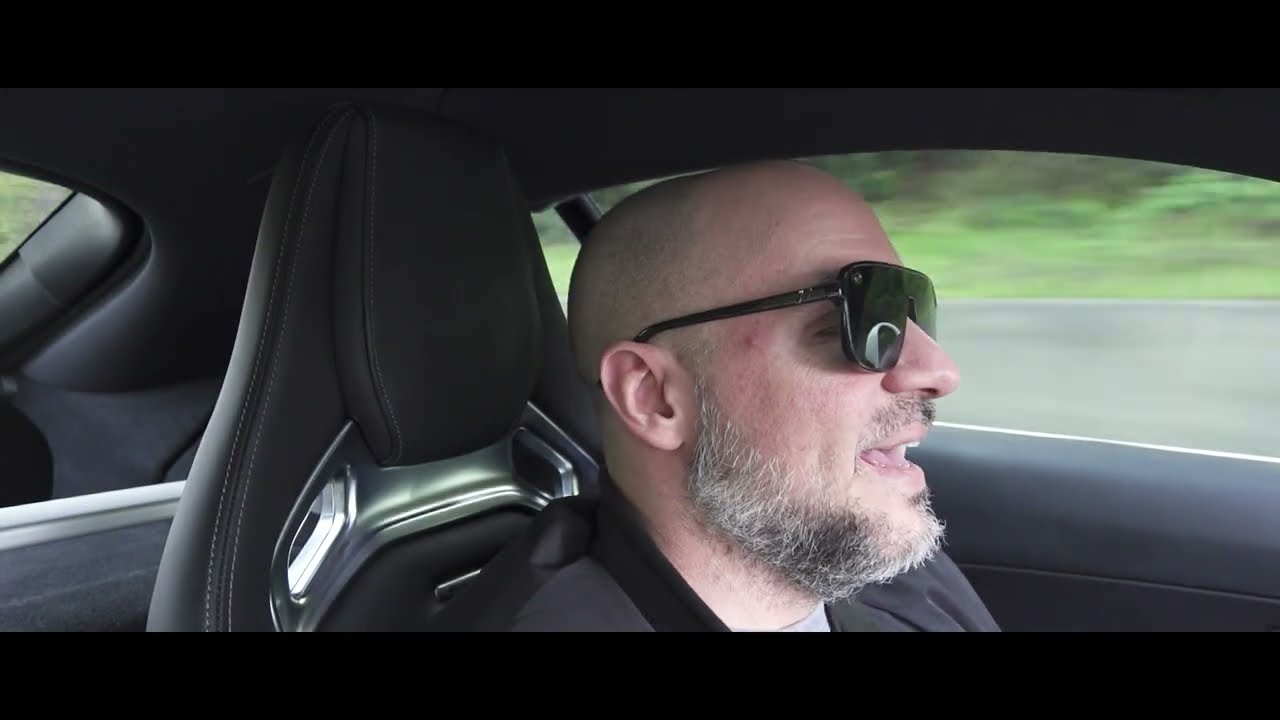
From the ExperiencedDevs subreddit, this developer wanted perspectives on the perception of managers/leadership on employee work hours.
📄 Auto-Generated Transcript ▾
Transcript is auto-generated and may contain errors.
All right, folks. I'm headed home from work. We're going to go to experience dev subreddit for a topic. And this one is about the perception of managers or more senior people on employees that are coming in at certain times of day. And does that imply something about their work ethic? Do you have expectations of that? What does it mean to you when you see people coming in at certain times or leaving at certain times? And so I don't have the article pulled up or the post pulled up in front of me, but from scanning it, the person was just kind of looking for feedback. This is on the experienced dev subreddit. So they're looking for feedback from experienced devs, and they said kind of like managers and leaders, you know, from your perspective. if you see someone coming in late and staying late, or they're coming in early, leaving early, like like what what kind of impression do you get from that?
So, I thought that this would be interesting to talk through cuz I mean there's a lot of I don't know like repeated topics on this channel, maybe different uh scenarios, try to do different perspectives and stuff like that. But only we talked about this one really. And so I figured I'd share my uh my take on it. I'll share some stuff that I I've heard as observations from other people. And of course, like with all videos on this channel, uh I'm not telling you anything that is law or universal. This is just my experience. And hopefully the the uh perspective helps. So, I guess to start and to be, you know, pretty simple about it, like I don't really give a what time you come in. Um, it's like more often than not, like I don't really care what your working hours are. Uh, to be totally honest, um, I care that, you know, you're you're trying your best.
I care that you are putting in an honest effort. I care that you're asking for help when you need it. and uh you know engage in the work that you're trying to do which is generally going to be solving problems and the sort of the effectiveness or the output of you in your role is something that I will work with you and try to make sure that is optimized and like really that's what it comes down to. So the time part doesn't really matter to me personally. Um, the biggest factor that I think about when it comes to to working hours and to frame this I mean like working hours as in what time you start finish that kind of stuff is really just like if you're working on a team like can you figure out with your team and you know what works best
for you the best way or at least yeah I guess I would say like the best way that you can make sure that there is uh proper amounts of communication. Okay, so for example, if there's a team sync meeting, okay, I I'm just going to make up numbers. There's a team of uh eight people. Okay, and uh seven people, it's a perfect time for them to all meet and you're like, that is the time that I have to, you know, pick up my kids from school, right? I I can't make that time. And so if in this really contrived example, if uh no one else could make anytime you're free, like cool, maybe maybe that doesn't actually matter because you can solve that problem by making sure for the team sync meeting that you are working with someone else on the team uh to be
able to uh to hand off any asks you have or to follow up with them or to use AI to be able to do some parts of that meeting for you asynchronously. Um, but like it doesn't have to just, you know, end there. It's not like, oh, times don't line up. This is the worst. Or, um, maybe other people can accommodate you, but it's like the worst time for all seven other people. Like, instead of having these like absolutes, there's ways that we can navigate this kind of stuff. And the thing that I care about is really just like you're an adult, you're working with other adults. Can you can you find out what works effectively for the most people? Right? If you happen to be the outlier or someone else happens to be the outlier, like sorry, but um you are an adult, can we come up with things that will help you know make it as good as possible given the constraints, right?
Um I have worked with people who are like hey I got they're taking classes and they're like is it cool if I shift my work time? Uh they have extended like family visiting for extended periods of time. Okay. Is it cool if I adjust this way? Um people that are like I'm visiting back home and there's a time difference. So like for this period of time is it cool if I shift my schedule by 3 hours? like all sorts of different combinations of things and the what like I will tell anyone is just like hey like you know what time the core meetings are if you're not able to make those like is there anything that I can help you with or do you have someone that you're working with to make sure that like you know that you're not missing things and that you're well represented right if if they're like yep things are I don't give a Like I'm I'm happy.
Like I I don't I don't know how else to expect people to operate, right? Like so the core like the specifically what time you start and specifically what time you finish, I honestly could not care less. Like I said, just about trying to get good overlap with the team so you can have proper communication so you can do your job effectively. I got to really try to squeeze in front of this truck. Oh man, this is going to be gnarly. Nope. Could have done it. Oh, how am I going to do this? You're not going to let me in. This guy's got to. You don't have a choice, buddy. Thanks so much. We did it. One more. One more. Cool. Um, so what like where does where does this maybe this question come from, right? Because it's around perception, which I think by the way, hopefully I'm not making it sound like I'm minimizing that there is a perception around this because there absolutely is.
There absolutely is. But um, like where where does it come from? And so I'm telling you all of these things because I'm saying that as a manager like I personally don't care. I would much rather you have flexibility in your work schedule. We can accommodate whatever because I ultimately believe that if I can keep you uh working with flexibility, I can keep you engaged in your work that like you will do good work. Right. So like it's it's in my best interest I feel to make sure that I can find ways to accommodate that for you. Right? Like imagine I just to give you counter examples, right? We're talking about this and someone's like, "Hey, like um my my parents are coming in from uh the East Coast and cuz I'm I'm on the West Coast right now, so they're they're going to be visiting and like is it okay if like, you know, while they're here, I structure my days a little bit differently or the opposite, right?
like I'm going to go visit my parents on the east coast or I have family uh coming in whatever or I'm going to go visit my family far whatever it is. Imagine that I'm just like well no it's not going to work like what what kind of I don't know what I'm expecting out of that. Am I expecting that someone's going to want to be engaged in their work? cuz they're probably like, "Well, I don't know, man. Like, it's literally my family, so I need to figure that out." And so, I'm putting them in a weird spot that's going to either, I don't know, make them have resentment or they're going to be fearful that they need to find a way to make it work. They don't want to lose their job. I don't know. Like, I just feel like those none of those dynamics are helpful in any way.
and just leaning into like a little bit of extra effort the other direction, which is, hey, no problem on being flexible. Is there anything I can do to help you to make sure that we can accommodate like meetings or anything else? Right? Like, I'm not going to suggest that I go move the entire team sync if there's, you know, a ton of other people that aren't going to be able to make it, but if you're the outlier, I don't care. Just let me know how I can help you. Right. That's all. I think we get a lot more out of individuals when we can be flexible, make sure people are engaged and they have like more reason to be like, I feel supported. I feel like anything else if it works is extremely short term and you know that you're going to have people that are like screw this place or screw this boss after not long at all.
Okay. So, so I don't keep repeating myself. Let's talk about where the perception comes from. There's uh I think a lot to be said around uh people modeling behaviors, right? So, and I don't know. I feel like some of this is maybe subconscious, maybe some of it's very conscious. I don't know. But if you observe uh and I I'm sharing this because like I have I have been told this in my in my past. Uh if you observe a person who is senior to you, whether that's like you're an engineer and it's a you know a more senior engineer on the team or it's your manager or whatever, right? If you observe how they're working, their work uh hours, stuff like that. So maybe your boss is someone that comes in early, leaves late, uh, or they're they're online late at night kind of thing, right?
You might start building this perception that like, hey, like it seems like there's whether it's actually set or not, like seems like there's almost an expectation to work longer, right? Because the people that you look up to and model are doing that. right? The the senior engineer on the team that you look up to, you're like, "Wow, like I I think they're kick-ass. Like they do good work. Uh they get recognized a lot. Like I I want to emulate that behavior. What else do they do, though? Oh, they're also working, you know, 10 to 12 hour days every day. Okay. So, is that is that kind of the unlock for me? like is that do I have to start doing that so that I'm getting ahead? And again, whether or not that's conscious for you or not, this happens to a lot of people.
I I don't have like a background in like studying human behavior, but uh my understanding that this is is this is like a very, you know, common thing for us to do. So we have this perception and we have this behavior that we're trying to model, right? This is this is the thing that we try to emulate. So um what does it mean if you're not doing that? Right? My manager does it or all all the the really, you know, highly regarded developers on the team are doing that. So, like, am I going to look like I'm worse than them because I don't do that? They're getting an extra two hours of work done per day than I am and they're more senior and you maybe you're already like, and they're smarter than me or something, right? Like, they have all these advantages and they're working an extra two hours a day.
I don't have a chance. I don't have a chance in like being, you know, good at this, especially compared to them. And so we start to form these perception. We perceptions we start to ask these questions around like what are people going to think of me? I'm I'm only doing my 8 hours a day or I'm only able to get, you know, up to 9 hours and then I have like these other commitments. So, I think it's like a natural thing that ends up coming up, especially if you have, you know, people that are working extra hours or are perceived to be uh working harder, working longer hours, right? It's almost like it doesn't matter if they actually are. To give you an example, maybe someone's like, "I start work at 7 a.m., right? I'm starting work 2 hours earlier than the average person. starting at 7 a.m.
and then people see, buddy, it's not a passing lane. Oh, on your phone. Okay. Um, so I start an extra 2 hours early and then people are like, "Oh, and they end like 2 hours after." Yeah, but you know what? Maybe they have something in the middle of the day that you're not aware of and so like they try to make up their hours and they work a hybrid day and there's something flexible there, right? It could it could be something like that. We don't always know these details. So, it's not it's not just a matter of like how many hours you're working. The comparison thing really screws people up a lot unfortunately, but again, we're human. We do it. So, how do we navigate this? Right? this person's asking this question of like well what do what do people think about that?
So in my experience um I have especially working at a startup before Microsoft where like just I used to work literally as much as I possibly could and uh not necessarily because anyone made me do it. this is just kind of how I operated for a long time. And uh I had been told at some point, hey, like you know, a lot of it was like, hey, you shouldn't work so much because it's not healthy, which I can like, thank you. I appreciate that. There were also points in time though where I started to think that people aren't telling me that for me. They're saying you're actually setting a a bad example. And maybe not framed exactly like that with those exact words, but the issue is that hey Nick, you're you're always working. Does that mean that you have that expectation of your team?
Like that's how you're leading is that the only way for the team to be effective is that we have to work 14 hours a day, work on weekends, work in the evenings, right? Like that's what you're modeling. Right? That's that's what you're modeling and people will emulate that. So if you're doing it whether like you're say it or not, people will start to model the behavior. People emulate behavior they look up to. So, I had been told this like, "Hey, like you shouldn't." And like my kind of I don't know, maybe I still kind of feel this way. I maybe I wouldn't say it the exact same way, but I kind of feel like well I don't know like too bad, I guess. Like it's not I I want to say like it's not my problem that you can't, you know, you can't make your own decisions or like figure that out for yourself.
Like that's how I I feel about it. I realize it's like a not a helpful thing to say. That's how I feel about it. But I think what's what reality actually is is that there's this this challenge where people see things and they they want to emulate it. So um un unfortunately for me, maybe it's because I have bad time management or whatever else, like I sometimes have long days. I sometimes have days where I start work super early cuz I happen to check messages and I'm like okay like I can get engaged here. This is not just a startup thing. I do this at Microsoft. I work with teams in China. So there are times where like you know I'm working right after work. There's times where I have meetings in the evening. There's times where I'm doing after 11 p.m. because I happen to again check a message or like, "Oh, I can help this person.
It's at this time." And so what people might perceive is that like looks like Nick's always online doing stuff, but I'm not. I'm not always online doing stuff. And the reality is I kind of need some flexibility like that in my job. I need to be able to like imagine if I just stopped work at exactly 5:00 every day like okay well people in China that want to work with me or if I want to work with them like can only be async is only going to be ever some type of interaction we we have over chat messages that we're reading the next day kind of thing like it's just not realistic for me. So like I personally need the flexibility. Now, what I've had to do over time and again going back to this idea that I'm like, you know, not I I want to say not my problem for you to go, you know, manage your time.
It is. It is my problem, right? It's not something I have direct control over, but I I need to let people know that my working hours, not has almost like nothing to do with the time or uh sort of the amount of time I'm putting in, but like when you see me online, right? If you if it seems like I'm online all the time, when I am working should not reflect when you need to. I need to be very very clear about that. And so while something inside of me wants to be like not my problem, I I I need to acknowledge it literally is my problem because I do understand that people will try to emulate the behavior.
I do understand that people will go uh like form these uh these expectations that you know I've never said out loud to them or maybe no one has but they start to form like in their mind oh it's expected that I'm doing this right other people are doing it that must be the expectation I have to be very very transparent and and say to people like hey like no this is this is what I need in my role to be flexible and I don't expect that from you I need to make sure that when people have their on call shifts, right, and they've done six hours and they're wrapping stuff up and, you know, instead of them working like the rest of their their workday for another 6 hours to get, you know, to to 5 or 6:00 p.m., instead of doing that and working like, you know, 10 to 12 hour days, I'm like, sign off.
Please log off. Like, you have worked for the day. I'm I'm not going to stop you if you're like I really want to work on this and it's interesting and I want to make progress or um I need to leave early on this day so I'm going to you know catch up a little on this day. Like I'm not going to stop you from doing that because I also remember what it was like to be told, "Nick, you can't work that much." And being upset cuz I'm like, "Sorry?" Like, "What do you mean I can't work that much?" Because it's going to have a bad perception. Like that's I'm I'm going to work because I need to get my work done. Um that's how I feel about it. No one's forcing me. But in these cases, I will remind employees like it's not my expectation of you to be working these longer hours.
But if you're trying to make up time or you need like flexibility on other days or you're solving something and you're like, "Oh I was having a breakthrough and I just want to keep chipping away at it before I I context switch and and log off for the day." I'm not I'm not going to stop you, but I do want you to know it's not my expectation of you to do that. And I think that's sort of one of my my takeaways here, right? Is like when it comes to perception, like I'm not looking at specifically what times, you know, people are sitting down and getting up from their desk. uh which would have been way less relevant before when we were fully remote, but now that we're partially back in the office, I don't I don't care. I don't care what days you're coming in.
I don't care if you want to come in at 300 p.m. and and work into the evening or something. Or the opposite, come in early, leave early. I don't care. I don't care if you want to work some days longer, some days shorter. I honestly don't care. um because I think the part I do care about is that if you need the flexibility to do good work, let's figure it out. So that's part of it. Uh so full transparency, that's how that's my perspective on the timing. And then the other part that I wanted to communicate here is really around like um I guess two parts. One is that if you're not aware and you are the kind of person that's working longer hours, like there's perception, right? If you're if you are more senior and people see you do this, there's perception. They will model your behavior, right?
And it's not, you know, wrong for you to do that or anything like that. It's it's just kind of a reality. People will will try to emulate the behavior that they look up to. So I think having awareness of that's important. And then the second part to that is really like if you're in a in a position uh like a manager position or have some type of influence this way like you know try to be clear about expectations right like the expectation is not that you are you know working 16our days. Some places might say like that but I don't know. I I think it's important to like overcommunicate because, you know, one of my missteps in the past is just kind of being sour about it and being like like I'm defensive that I want to work longer, so it's not my problem. Like it's their problem.
Like it's not it is my problem. They're they're my team. Um it's just me being defensive about it. So, be curious what other people think. I know there's definitely there's definitely going to be people out there that see um people not at their desk, you know, as as much as other people. I'm trying to think if I have any examples like this. I've had um I've had examples where people like even if you're not looking at how long someone's sitting at their desk or whatever where people aren't familiar with other people's workloads and they're kind of like well this person must be slacking then it's like a similar idea right like if uh if I have this expectation of you and I have this visibility so therefore this perception of you um I'm going to inform my opinions that way. And so if you don't have the full context, you're probably going to have, I don't know, potentially illinformed opinion.
So, I've seen these situations where people are like, "Well, this person must be slacking or whatever." And it's like, "No, you just don't have full visibility. You didn't know they were doing like these 10 other things." and like not their fault, not your fault, but I don't know, like you just unfortunately you're not informed on this and that's the reality of it. So, uh I I do think it's easy for people to have, you know, concerns around perception. So, I think it's a it's a I thought it was cool to see someone ask a question about this because I I do think it comes up for a lot of people, right? So, I don't know. Have you have you been in a position where your manager has made comments to you about your your time that you're coming in? Do you have situations where you and your team literally need to be, you know, uh on time for something on a regular basis like at a particular hour without exception, right?
Is that what your team meetings are? Are there are there other things? Um, like I said earlier on, these videos are just my experiences, right? That's my perspective. So, if you have different thoughts in the comments, would love to hear it. But that's where I'm coming from. And this one was also relevant today for me because uh like very coincidentally uh because it's Friday. on a Friday. There's not a ton of people that go into the office because, you know, it's the end of the week. I'm going in because I needed to make up uh you know, one of the days this week I I couldn't get to the office. So, I'm like, I'm going to go in Friday. So, that's why I was in and uh I guess someone on my team was on a call and uh they're joking around with someone else they're talking to.
So, there person on the other end of the call was like must have asked like, "Oh, who's who's in the office today?" And so this individual was like, "Oh, listed a couple people and said my name." And I'm assuming that someone on the call made a comment about it and uh so the person from my team was like, "Oh, like yeah, like and said it in a way that they knew I would hear and said something along the lines of like, oh yeah, like it's cuz he's a he's a workaholic kind of thing, right? because uh I guess I'm online trying to help at you know different times of the day and stuff or maybe my average number of hours I work happens to be higher but point is that is a perception of me right regardless truly regardless of how many hours actually are are put in because no one's got a stopwatch on me but it's just an example to share with you that that was a percept perception.
That's a perception of me. Um, at least, you know, for these two individuals that were that were chatting about it. And I'm not like I'm telling you this like not because I'm bothered by it or anything like it's totally totally harmless, but it's a it's a reminder, right? like I have awareness of this now where like people if people are even saying that then it's it's just very clear evidence that like that is perception I mean so if I don't want people to to go oh that's the expectation right we have to model Nick we have to do it that way then I need to be extra careful making it clear that's not my expectation I did mention this in a in a video way further back.
But when I joined this team, um I don't know if it's still like in his email signature, but my manager was like very much uh trying to be I think he did an awesome job, but trying to be very transparent with people like I think his email signature used to or still does say like my working hours are not a reflection of uh what your working hours are supposed to be or something like that. And then another line I think that's something about just like you know working with teams in different time zones right and you might read that signature and be like oh why why would this guy ever have to say that and I it's for this exact reason it's to overcommunicate the idea that like the expectation is not for you to be online super late if you see me online super late.
It's not because I'm trying to, you know, jam in extra hours cuz that's my same expectation of you. So, I thought he did an awesome job with that, but something to be overcommunicated. Anyway, that's that. I hope to see you in the next video and I hope to see you on the live stream. Do live streams every Monday 7:00 p.m. Pacific on the Dev Leader podcast channel. And if you look for dev leader on uh I don't know like Twitter or X whatever we call it now Facebook, Instagram, LinkedIn, Twitch, Kick, YouTube, I I stream to all those channels. So you can check it out there. And Dev Leader is also my main channel where I have like AI programming tutorials. I have uh programming tutorials in C sharp as well. And I would love to see you online. So, take care and I'll see you in the next one.
Frequently Asked Questions
These Q&A summaries are AI-generated from the video transcript and may not reflect my exact wording. Watch the video for the full context.
- Do start times and working hours reflect a person's work ethic?
- I don't really care what time you come in. I care that you're trying your best. I care that you are putting in an honest effort, and that you're asking for help when you need it. I will work with you to make sure your output and effectiveness are optimized.
- How should teams manage flexible schedules while maintaining communication?
- The time part doesn't matter to me; what matters is that there is proper overlap and communication within the team. If you can't make a team sync, I can coordinate with someone else on the team to hand off asks or use AI to handle parts of that meeting asynchronously. I want to accommodate flexible schedules so you can stay engaged and do good work.
- How do you address the perception that long hours set a standard for others?
- I acknowledge that people model behaviors they look up to, so long hours can create an unspoken expectation. I try to be very clear that it is not my expectation for you to work longer hours and I overcommunicate about flexibility. I remind people that the goal is to enable good work, not to force impractical hours.